The food, dance and craft themes of Uzbekistan gastronomic and cultural tours reached a London audience during a festival at Potters Fields Park on Jun 21–22, 2025. The festival combined cooking, Khorezm performance, costume, craft displays and meetings between tourism businesses. Potters Fields Park beside Tower Bridge hosted the two-day programme, with organisers and representatives from several cultural and visitor-service fields participating.
Palov preparation, regional food, Lazgi and crafts occupied different parts of the public festival. Cooks worked with ingredients and large vessels, dancers presented movement and music, and craft displays introduced objects and clothing. Each practice also has settings beyond the London event, in households, workshops and cultural programmes within Uzbekistan. The national presentation brought them into a shared overseas venue.
The London event and its organizers
The Tourism Committee, Chustiy, OshPaz, Uzbekistan’s embassy, the Ministry of Culture and Uzbekistan Airways participated in organising or supporting the festival. More than one hundred representatives from culture, arts, design, cooking and tourism took part in the delegation. Their activities included food preparation, displays, performance and business meetings across the two-day event at Potters Fields Park beside Tower Bridge.
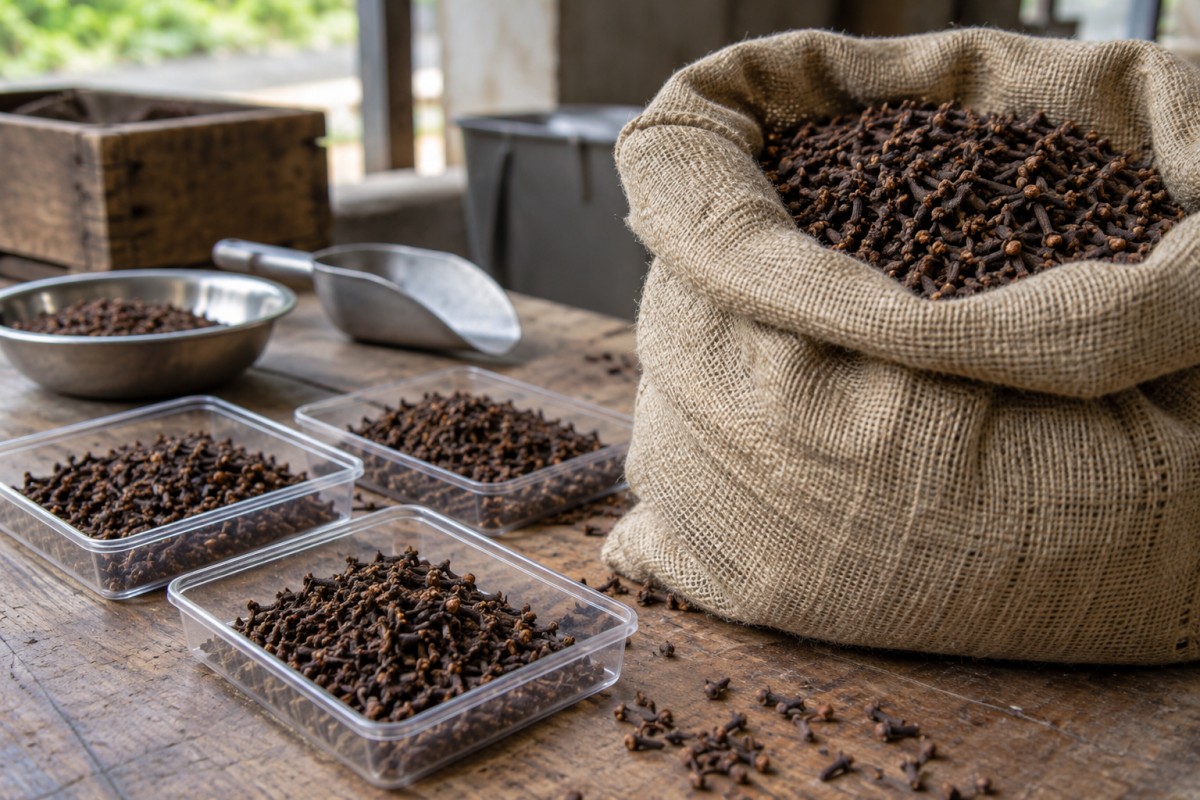
Chefs Bakhritdin Chustiy and Muzaffar Sodiqov were involved in the large palov preparation. The organisers put its quantity at three tonnes and brought ingredients and cooking equipment from Uzbekistan. That quantity remains an organiser-reported figure for the festival preparation. Cooking at this scale involved the handling of large ingredient quantities, with the public kazan forming a focal point for the food programme.
Product Uzbekistan formed another part of the festival programme. More than twenty exporters participated, with over two tonnes of produce presented alongside a business forum and roadshow. The produce display, palov preparation and business meetings had different roles within the event. Exporters presented products, cooks prepared food and tourism representatives discussed routes and services with their counterparts.
The public festival used performances and displays to introduce cultural practices to visitors in the park. The business forum supplied another setting for discussions about products and tourism services. Participants moved between public presentation and professional meetings during the programme. The two activities involved different audiences, while both formed part of Uzbekistan’s overseas tourism and cultural event in London.
Palov as a cooking process and a social practice
Palov, also commonly called plov in English-language accounts, is associated with rice, meat, vegetables and other ingredients combined through a defined cooking sequence. Its appearance in a large public kazan is visually recognizable, but the finished dish is only the final stage. Preparation, heat management and serving form part of the cooks' work.
UNESCO inscribed Uzbekistan's palov culture and tradition in 2016. The description concerns cooking and sharing food in family and community settings, with knowledge transmitted through teaching and practice. The heritage is the social and culinary practice, rather than a rule that every pan must contain identical ingredients or that every occasion uses one fixed serving size.
A kazan holds ingredients during palov preparation, with its shape and heat distribution affecting the cooking process. At the London festival, cooks handled a quantity described by organisers as three tonnes. That was a public-event preparation rather than a household serving. Ingredients, vessels and the organisation of the cooks’ work belonged to the particular cooking operation presented at the festival.
Different palov preparations can be discussed through the ingredients used, the sequence followed and the cook's explanation. A regional name may identify a style, while a household or chef may have an individual method. The relevant account comes from that specific preparation, rather than an assumption that one demonstration represents every version made throughout Uzbekistan.
What a cooking demonstration can explain
- How the ingredients are prepared before entering the vessel.
- The order in which cooking stages are carried out.
- How the cook manages heat and liquid during the process.
- The difference between a public-event batch and a household quantity.
- The arrangement for serving and sharing the finished dish.
Watching one stage does not necessarily reveal the whole process. A visitor arriving after the rice has been added may see the later cooking and serving while missing the earlier preparation.
Khorezm cuisine beyond the festival kazan
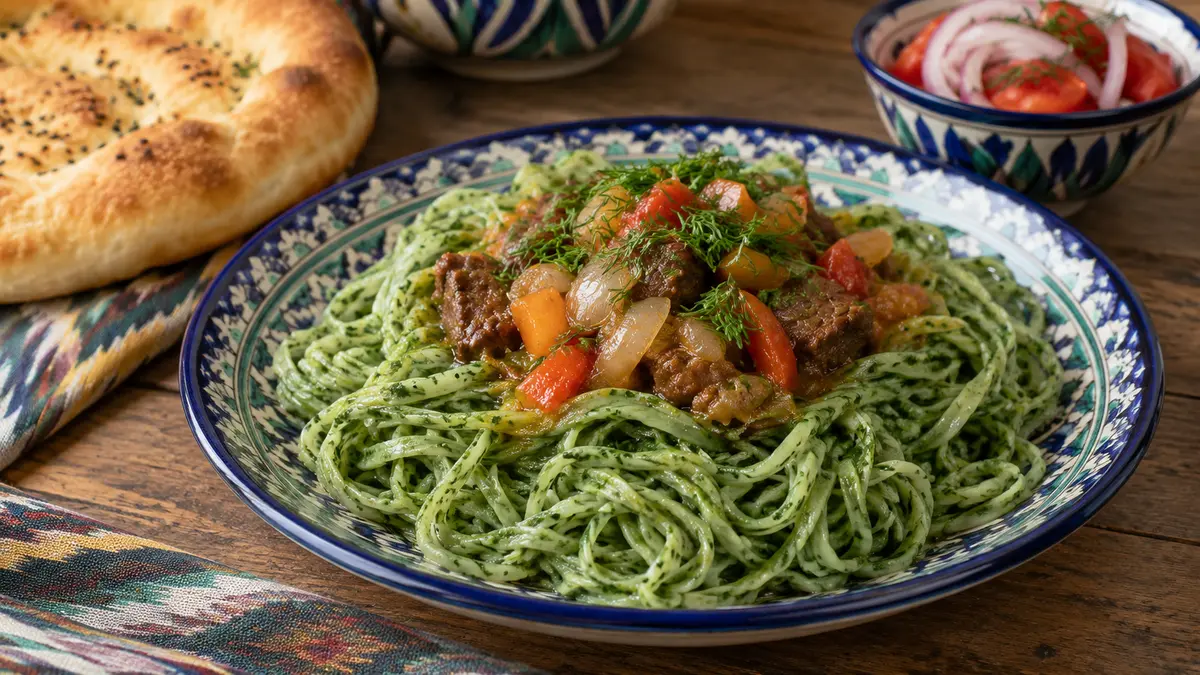
Khorezm cuisine formed part of the festival’s regional presentation. Shivit oshi is one dish associated with the region: dill gives its noodles their green colour, while a meat-and-vegetable topping and fermented dairy accompany them. It is particularly associated with summer. Preparing the noodles, topping and sauce involves separate stages, with the final plate bringing those components together at serving.
The noodle preparation gives this dish a different structure from palov. Rice remains a grain in the latter, while dough is formed into noodles in shivit oshi. The green noodle base, topping and dairy component are separate parts brought together at serving. A plate can therefore be read through its preparation stages as well as through its finished appearance.
Shivit oshi contains separately prepared noodles, topping and dairy sauce. A kitchen determines the ingredients and proportions used in its own preparation. Dill gives the noodles their characteristic green colour, while the other components are assembled at serving. The dish introduces a regional cooking sequence within Khorezm’s food traditions, alongside the rice-based palov prepared for the London festival.
A Khorezm cook brought shivit oshi to Tashkent during the twentieth century, in the national tourism history of the dish. Its movement to another Uzbek city carried a regional preparation beyond its home area. The London festival provided a different overseas setting for Uzbek food and cultural presentation. Khorezm’s dishes retained their regional association alongside the broader national programme.
Shivit oshi provides an example of Khorezm food beyond the festival’s large palov preparation. Its green noodles, topping and dairy component introduce a different plate and cooking sequence. The London programme presented Khorezm cuisine within the wider event, alongside Lazgi, crafts and tourism activity. A later food journey can visit kitchens and tables in the region itself, with the actual menu chosen by the provider.
Lazgi on stage and in its regional context
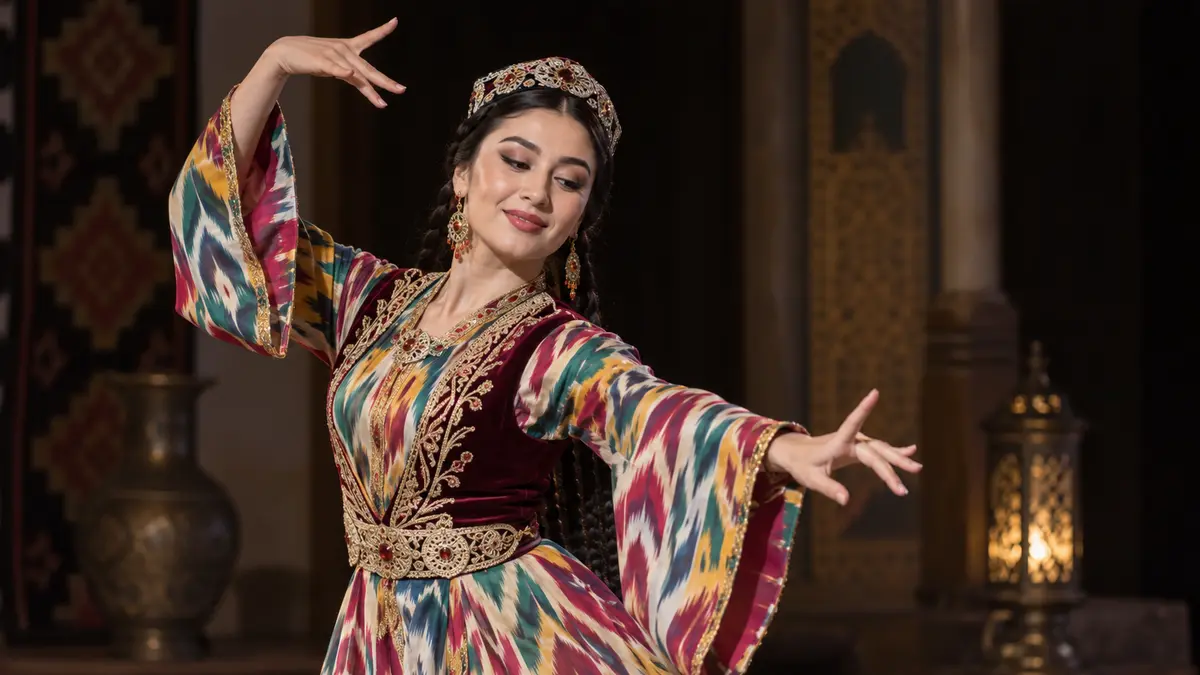
Khorezm's Lazgi appeared in the festival programme. UNESCO inscribed Khorazm dance, Lazgi in 2019. Its description connects the dance with regional culture and with the interaction of movement, music and singing. The practice includes staged forms as well as improvised social performance.
Lazgi uses changing rhythm and coordinated movement, with dancers responding to music and to one another. A festival stage provides a defined performance space and audience. Family celebrations provide another setting in which the practice can be performed and learned. The dance’s regional tradition extends beyond either event, with knowledge carried by practitioners through teaching, rehearsal and participation.
A dance also contains knowledge that is not preserved in a costume alone. Timing, gesture, musical response and the sequence of movement are learned through practice. A displayed garment can be studied as a textile object, while a performance shows how clothing is worn in motion. The two encounters are related but do not provide the same information.
Lazgi formed part of the London festival programme. The dance is associated with Khorezm and entered UNESCO’s Representative List of the Intangible Cultural Heritage of Humanity in 2019. Its movement and music supplied one regional contribution to the event. Food and craft displays introduced other practices, bringing several subjects into the park’s public programme over Jun 21–22, 2025.
The regional name also matters. Khorezm is one part of Uzbekistan's cultural geography, with its own performance and food traditions. Describing Lazgi precisely retains that regional connection instead of presenting every dance encountered in the country as the same practice.
Craft objects, clothing and the maker's work
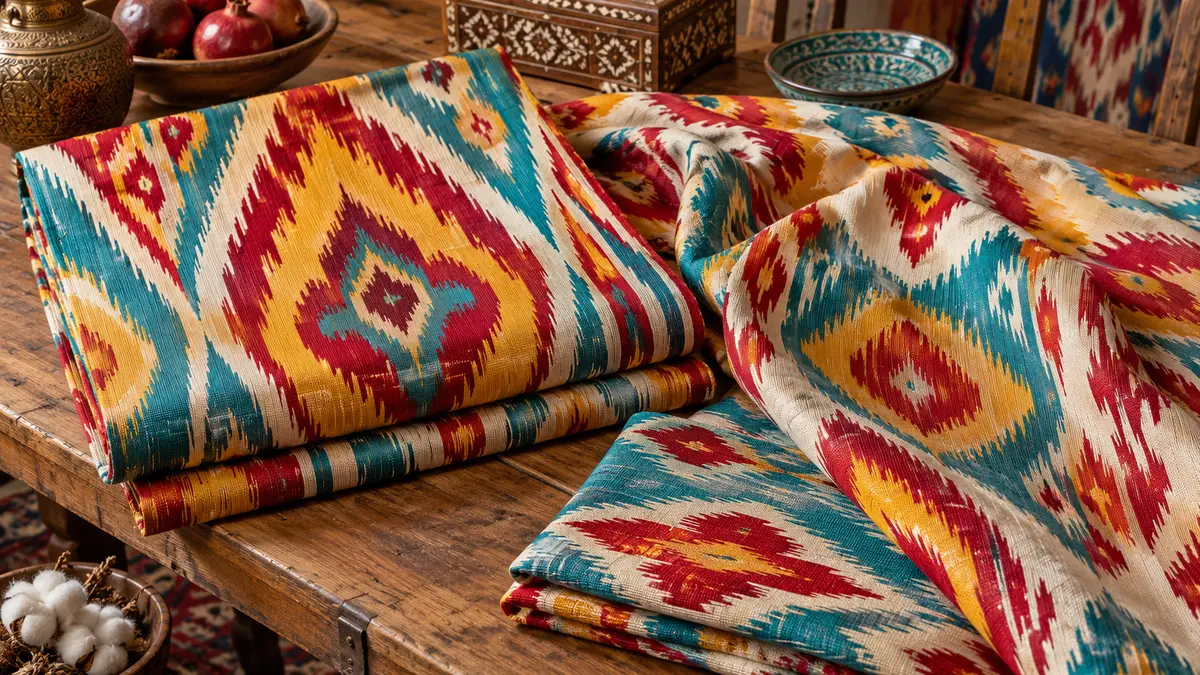
The festival included craft and costume displays. Ceramics and textiles belong to different production processes, and a public display can place them together without making their histories identical. A bowl has a clay body and a fired surface. A cloth is formed through yarns and weaving, or decorated through another technique such as embroidery.
UNESCO's 2023 inscription of Uzbekistan's ceramic arts describes making and transmission across several kinds of objects. Food vessels, jugs, toys and ovens appear within that broader practice. A festival display introduces completed products to a new audience, while a workshop visit can show stages that are not visible in the finished object.
The atlas and adras traditions associated with Margilan provide a textile comparison. In an ikat process, pattern is organized through yarn preparation and dyeing before weaving. This differs from printing a design onto a finished cloth. A garment made from such fabric adds another stage: cutting and assembling the textile for wear.
Margilan Crafts Development Centre provides training and workshops in traditional textile methods. Embroidery, carpet weaving, block printing, skullcap sewing and copper craft are also among its activities. These practices involve different materials and production sequences. They provide a wider craft context for Uzbekistan’s cultural presentation, while the London delegation included its own named organisers and participants at the overseas festival.
When a craft object is sold, its maker, material and intended use are useful details. A decorative object and a vessel intended for food may look similar while serving different purposes. A textile's production method and fibre content also concern the individual piece. The festival's general craft label does not answer every question about an item offered there.
Produce displays and the business programme
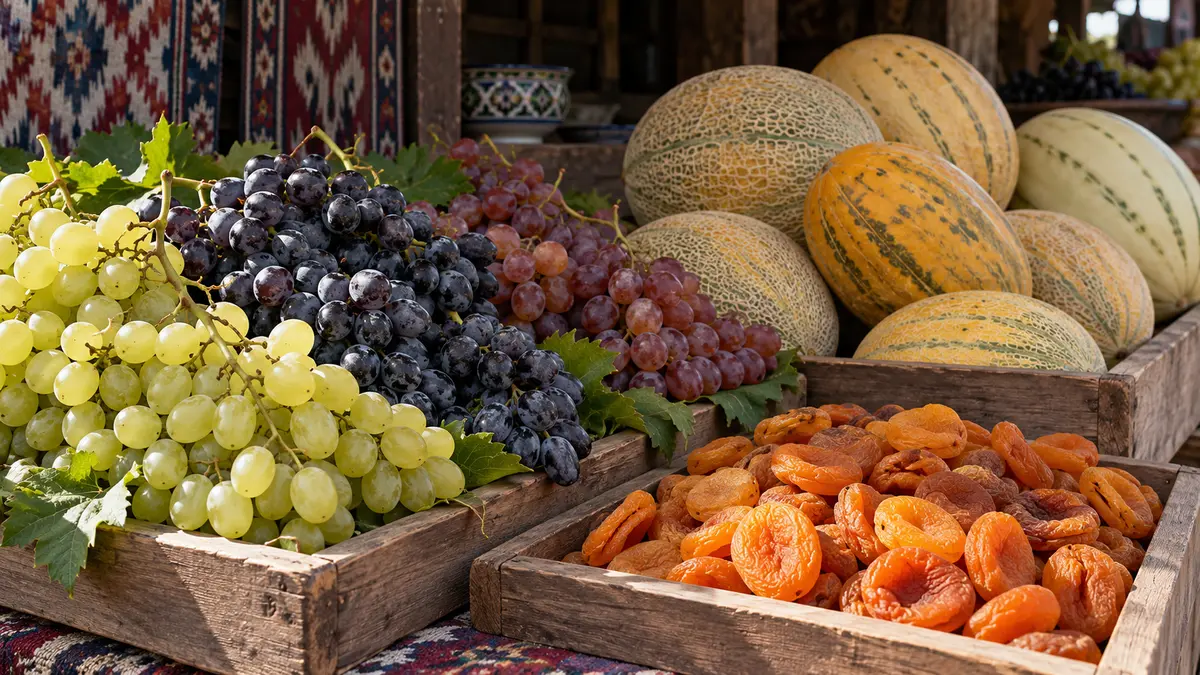
Product Uzbekistan brought exporters and produce displays into the event. Fresh fruit and other produce occupied a different part of the programme from the cooked palov and cultural performances. The participating businesses presented products in a public and professional setting. Their display accompanied the forum and roadshow, where tourism and trade representatives had opportunities to discuss routes, services and goods.
More than twenty exporters participated in Product Uzbekistan, according to the organisers’ event figures. The participating business count describes the delegation presenting goods. It is separate from the weight of produce brought and the amount of food prepared. Products, exporters and professional meetings formed parts of the programme, each with its own participants and purpose during the London event.
The tourism roadshow presented routes and services to business participants. Discussions about itineraries took place alongside the public festival’s food, dance and craft activities. A tourism programme has its own destinations, duration and service arrangements when it is operated. In London, representatives introduced those products within a meeting programme connected with the broader destination presentation.
Advertising appeared on double-decker bus routes, at metro locations and on LED displays, with media coverage accompanying the festival. These placements introduced the event and destination within London’s public spaces. The park programme supplied the physical setting for food and performance, while promotion extended the presentation to transport locations and screens elsewhere in the city.
The festival took place on Jun 21–22, 2025, with named organisers and a delegation drawn from several cultural and tourism fields. Public activities included food preparation, regional performance and craft displays. A forum, roadshow and produce presentation supplied professional and trade elements. The programme joined those activities in one overseas event, with each retaining its own subjects and participants.
The topping for shivit oshi is called vaju and is prepared separately from the dill-coloured noodles. A fermented dairy sauce is another serving component. The dough, topping and sauce therefore have separate preparation stages before the plate is assembled. This sequence differs from cooking rice and other palov ingredients in a shared vessel, introducing another method within Khorezm’s regional food traditions.
That example also gives a regional food journey a subject beyond the finished plate: the method of colouring dough and the separate work of preparing what accompanies it. The London festival's broad reference to Khorezm cuisine introduces the region; the researched dish description supplies one specific culinary form within it.
From an overseas festival to regional tables
A festival combines selected practices in one place and time. A journey within Uzbekistan encounters them in their regional settings: a kitchen, workshop, family celebration, restaurant or arranged performance. The public London programme provided an introduction, while a later visit has its own host, menu and cultural schedule.
A food itinerary can be organized around those settings. A market visit concerns ingredients and retail activity. A cooking demonstration concerns preparation. A meal concerns the finished dishes and their serving. A performance programme concerns artists and repertoire. Combining them creates several kinds of encounter rather than a single continuous activity called culture.
Regional identity adds another layer. Khorezm dishes and Lazgi belong to the western region in the opening programme. Fergana textiles and Rishtan ceramics belong to other craft landscapes. A national festival can bring them together, while travel between their places of practice requires a geographical route and enough time for the individual visits.
The London festival combined palov preparation, Khorezm food and dance, crafts, produce displays and business meetings over two days. The organisers’ cooking and participation figures remain attached to that event. ABA Travel’s gastronomic and cultural routes provide a different setting for encountering Uzbek practices: journeys between regional kitchens, workshops and destinations, with particular activities included in the chosen programme.