A restored line and a freight offer have different boundaries
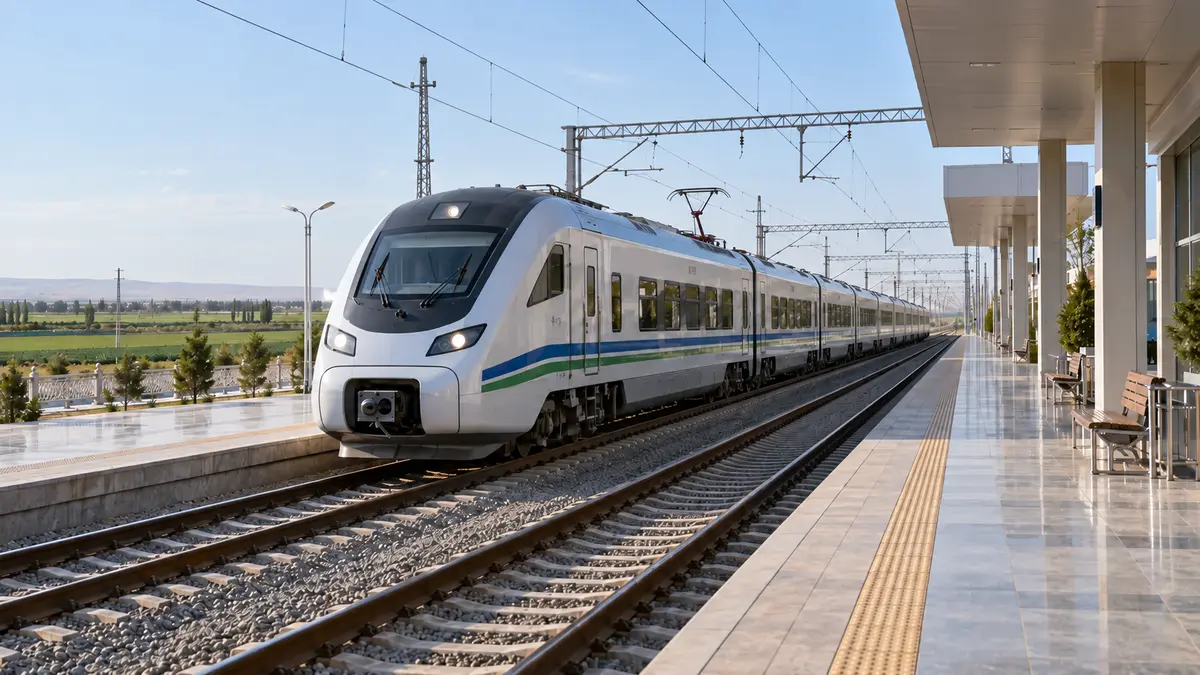
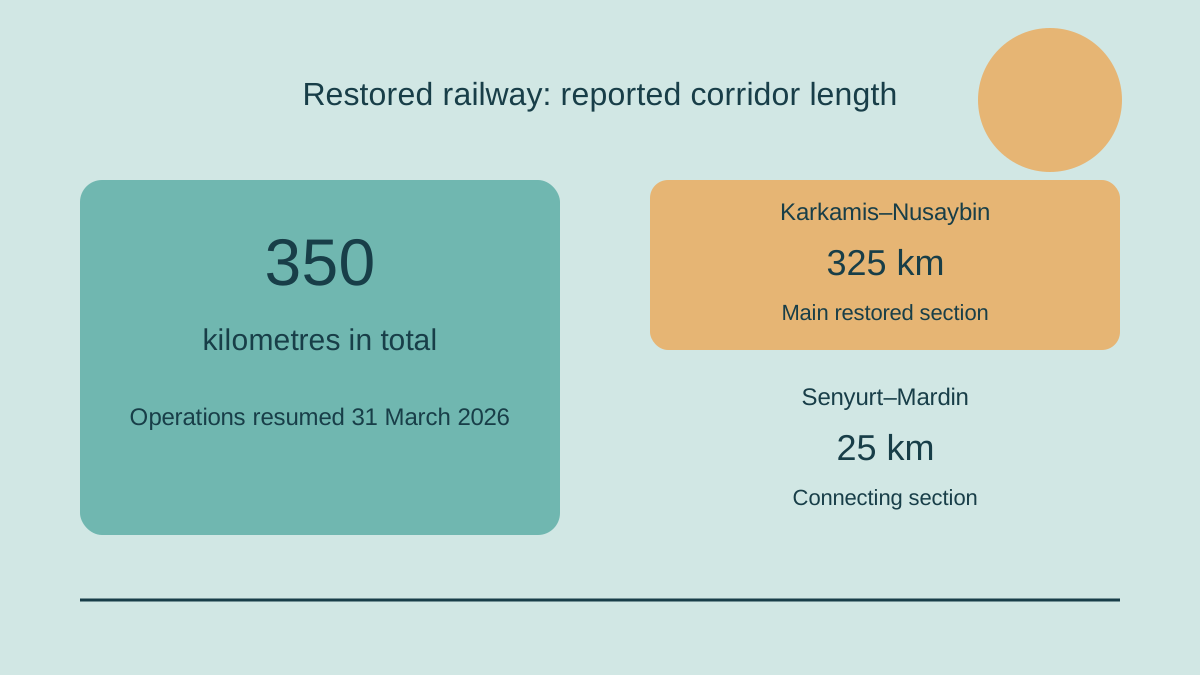
Anadolu Agency reported on 13 April 2026 that a restored 350-kilometre rail corridor in Türkiye had resumed train operations on 31 March. The report describes future connections as planned. It does not establish a currently available through service for every shipper’s cargo.
Restoring infrastructure creates an important starting point for freight activity. A shipper still needs an answer to a narrower question: what transport service can be arranged for a particular consignment between defined locations? The answer depends on the route represented by the offer, the handling included, the timing confirmed and the responsibility for each stage. A statement that trains can use a line does not contain all of that information. The operating and commercial enquiry must connect the restored infrastructure with an actual cargo movement.
This analysis proposes a way to make that connection. It does not recommend a carrier, assert a live timetable or describe an undisclosed service arrangement on the reported corridor. Its subject is the evidence needed to interpret a freight offer after an infrastructure reopening. A useful enquiry preserves the distinction between a restored asset, an intended network connection and a confirmed movement. That distinction lets a shipper consider a new possibility without turning a public infrastructure announcement into a delivery commitment that nobody has yet made.
Define the consignment before interpreting the route
A freight enquiry needs a defined consignment and a defined task. The shipper should identify the collection point, the intended delivery point, the form of the cargo and the timing relevant to its business activity. These are information categories, not a technical specification for carrying every type of goods. The provider can then explain which part of the movement it is offering. Without those boundaries, a route description can sound comprehensive while answering a different question from the one the shipper needs to resolve.
The railway segment and the complete movement should remain separate descriptions. A service between rail locations may require additional arrangements to move cargo from a factory to the first location or from the last location to the recipient. An offer can include those arrangements or leave them to another participant. The shipper needs to know which is intended before comparing the offer with an alternative. The relevant comparison concerns equivalent collection and delivery boundaries, rather than the most attractive description of the middle segment alone.
The consignment’s form also matters to the question being asked. A description of rail access does not itself establish how the proposed unit will be handled at an interface. The enquiry can identify the unit presented for collection and ask how its movement through each included stage will be confirmed. This article does not prescribe loading methods or equipment requirements. It proposes a clear commercial boundary: the provider’s response should concern the actual represented cargo and task, with assumptions about its form kept visible.
Keep restored segments separate from future connections
A network announcement can describe both current infrastructure and the role it may play in a future route. Those descriptions need different status labels. A restored segment can be relevant to a current domestic movement without establishing that an intended wider connection is operational. The shipper can ask which parts of the proposed route are currently included in the provider’s response and which depend on future activity. That question should be answered for the particular offer rather than inferred from an ambitious map.
A route comparison should identify the endpoints represented at each stage. If the provider describes one section and another participant describes the next, the handover between those sections needs a separate explanation. The existence of both sections in a network discussion does not establish an agreed handover. A commercial record can show the participant responsible for each stage and the information needed at the interface. This makes the route understandable as a sequence of arrangements, rather than a continuous line drawn through locations whose operating relationship remains unconfirmed.
The enquiry should also preserve dates. A statement about a planned connection describes an intention at the time of that statement. It should not be treated as a current service confirmation without additional evidence. A later provider response may answer a different question and should carry its own date. Keeping the records separate helps a shipper understand what has changed and what remains conditional. It avoids making a future network role appear to be a delivery option already confirmed for the consignment under discussion.
A timetable question needs a defined event
Timing can refer to several different events: acceptance of a booking, availability for collection, departure, arrival at a rail location and delivery to the recipient. A provider’s statement about one event does not establish the others. The shipper should identify which event matters to its operating decision and ask how the proposed response relates to it. A train departure may be useful information while still leaving the delivery question open. The enquiry should preserve that distinction rather than compress the sequence into one convenient date.
The timing record can separate a confirmed arrangement from an estimate and from a condition that remains unresolved. For example, a proposed movement may depend on the availability of another handling stage. This is an illustrative dependency, not a statement about a particular carrier’s practice on the reopened line. The provider can identify the dependency and explain what information would confirm the next event. A precise-looking date should not obscure a condition that could change the meaning of the timing response.
Comparison requires equivalent endpoints. A quoted duration from departure to arrival cannot be compared directly with a duration from collection to recipient delivery. The shipper can first align the represented stages, then examine the differences between offers. Where a stage remains outside an offer, the record should show the separate arrangement needed. This makes the timing discussion useful for the actual consignment and prevents a shorter displayed duration from being treated as a faster complete movement when it simply covers less of the task.
Handling interfaces need an accountable handover
The movement of a consignment can involve several handovers between transport and handling activities. The shipper needs a clear account of which handovers are included and how progress will be reported. A description of the rail corridor does not provide that account. The offer can identify the relevant locations, the participant responsible for each stage and the record that confirms completion. This is a management enquiry about the scope of the movement, not an operational instruction for transferring or securing cargo.
The handover record should connect the represented unit with the next stage. A statement that cargo has arrived at a location is different from a statement that it is ready for the onward arrangement. A completed rail stage may still leave an unresolved handling or collection question. The shipper can ask what event makes the consignment available to the next participant and who can confirm that event. This gives the route enquiry a practical boundary while avoiding assumptions about the actual sequence used by any named operator.
Information should follow the same boundary as the cargo task. A participant receiving a consignment needs the information relevant to its agreed activity, while the shipper needs a record sufficient to interpret the stage reached. The enquiry can identify those information dependencies without inventing legal documents or customs procedures. Its purpose is to prevent a visible movement milestone from concealing an unresolved handover. When the participants describe the same unit and the same completion event, the shipper has a clearer basis for understanding the next action.
A hypothetical delivery shows the missing link
Consider a hypothetical manufacturer arranging a consignment from its site to a customer who needs it for a scheduled activity. The example is invented and does not describe an actual movement on the reported corridor. Suppose a provider confirms a rail segment, while collection from the manufacturer and delivery from the destination location remain separate enquiries. The confirmed segment is useful information. It does not yet establish that the complete consignment will reach the customer within the required operating period.
The manufacturer can divide the question into three parts. What has been confirmed for collection? What has been confirmed for the rail movement? What arrangement connects arrival with delivery to the customer? Each part may have a different participant and a different timing boundary. The enquiry does not assume that the movement will fail. It makes the missing information visible before the rail confirmation is treated as a commitment for the whole route. A complete comparison needs answers that connect these parts into the represented delivery task.
The example also shows why reopening should not be interpreted as a universal service outcome. Infrastructure can enable an arrangement while the arrangement itself still needs confirmation. The shipper can recognise the new possibility and ask a precise next question about the consignment. This is more useful than either assuming complete readiness or dismissing the restored line because it does not answer every commercial question. The distinction concerns stages of evidence: the infrastructure report, the provider response and the completed movement each establish something different.
Reliability needs a scope as well as a number
A statement about reliability is informative only when the represented task and period are clear. It might concern departures, arrivals at a location or deliveries to recipients. Those are different measures. A provider could offer information relevant to one stage without describing the whole movement. The shipper should identify which event the measure concerns before using it in a comparison. This article does not assert a reliability figure for the reopened corridor or infer one from the infrastructure work described in the source.
A period and a group of movements also need to be identified. A small set of completed movements does not automatically describe every future consignment, and experience on a different task may have a narrower relevance than a general assurance suggests. The enquiry can ask what information supports the stated measure and which conditions it represents. Where the evidence is limited, that limit should remain visible. A bounded record can still be useful without being presented as a universal forecast of the shipper’s next delivery.
The same principle applies to an exception. A delayed consignment can provide information about a dependency, but it does not by itself establish the expected behaviour of the whole service. The shipper can ask what event changed, which stage was affected and what response was confirmed. Those questions produce a more useful account than a general judgement drawn from one case. A reliability discussion should preserve both the normal represented task and the specific boundary of an observed exception, with the date of the evidence recorded.
Prices should describe comparable movements
A freight price needs a defined scope before it can support a comparison. The shipper should understand which collection, transport, handling and delivery activities the response includes. Two prices can differ because the offered tasks differ, even when both are described as rail freight. The comparison can identify the included stages and the separate enquiries still required. This is a proposed way to organise a commercial discussion, not a recommendation about a carrier’s prices or a financial assessment of the shipper’s transport choice.
Conditions attached to the response should remain beside the price. A proposed arrangement may depend on the represented cargo form, timing or another included activity. The provider can explain those dependencies and the information needed to confirm them. The shipper should avoid treating a conditional response as a final statement about a different consignment. A clear record of the represented task makes it easier to ask an equivalent question of another provider and to understand why the answers may not yet be directly comparable.
The comparison should also identify the decision it supports. An early enquiry may help the shipper examine whether a route deserves further investigation. A later confirmed arrangement can support a more specific operating decision. These are different stages, and the price information available at one should not silently establish the next. The practical value lies in knowing what has been offered, what remains outside the offer and which next response would make the comparison more complete. A single headline amount cannot replace that account.
Use reopening as the start of a specific enquiry
A reopened railway creates a reason to ask about a transport possibility. The enquiry becomes useful when it identifies the actual consignment, the route represented, the handovers included and the events that can be confirmed. A public description of infrastructure and a commercial answer about a movement can complement each other while retaining different boundaries. The shipper’s task is to connect the two through evidence about the intended service, rather than assume that one already contains the other.
- Define the collection point, delivery point and represented cargo unit.
- Separate a current segment from a connection described as planned.
- Keep booking, departure, arrival and delivery as different events.
- Identify the participant and completion record at each included handover.
- Ask which task and period a reliability statement represents.
- Compare prices and durations only after aligning the scope of the movement.
The useful result is a route record that another participant can understand: a confirmed stage, an explicit dependency and a clear next enquiry where information remains missing. That record lets a shipper examine the opportunity created by restored infrastructure without asserting a timetable, through service or delivery performance that has not been confirmed. A freight offer becomes practical when its route and responsibilities correspond to the consignment the shipper actually needs to move.