
Boots acquisition and retail investment
Stores, digital channels and pharmacy operations.
Read the story ↗Reporting and perspectives from the business desk.
Stores, digital channels and pharmacy operations.
Read the story ↗
EPB combines machinery projects, packaging consumables and service. Its November 2025 interview shows why an order book needs a delivery and cash explanation.
Read the story ↗
Rusagro’s 2024 export account raises a portfolio question: entering more countries does not establish balanced revenue, independent routes or collected cash.
Read the story ↗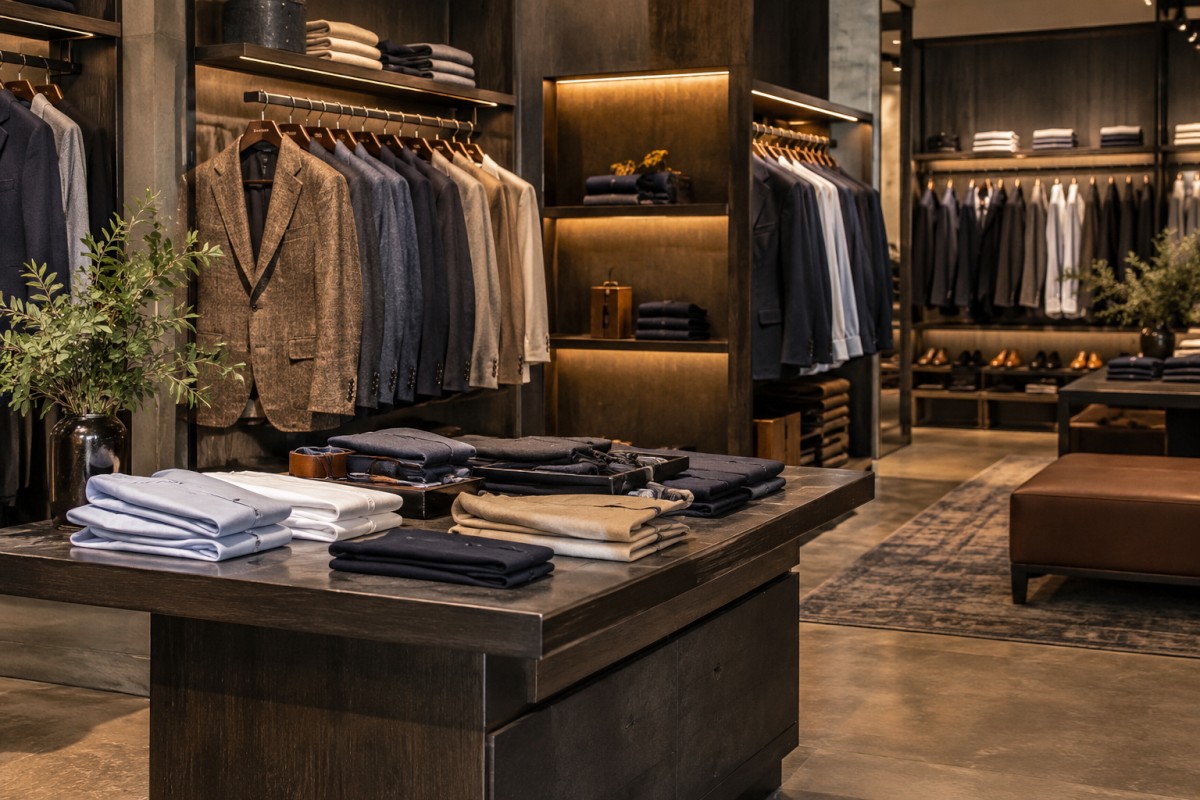
Henderson reports two EBITDA margins for 2024. A consistent lease basis helps distinguish accounting presentation from the economics of occupying a store.
Read the story ↗
Track restoration and a usable freight offer answer different questions. Shippers need a defined route, handling arrangements and a delivery commitment for their cargo.
Read the story ↗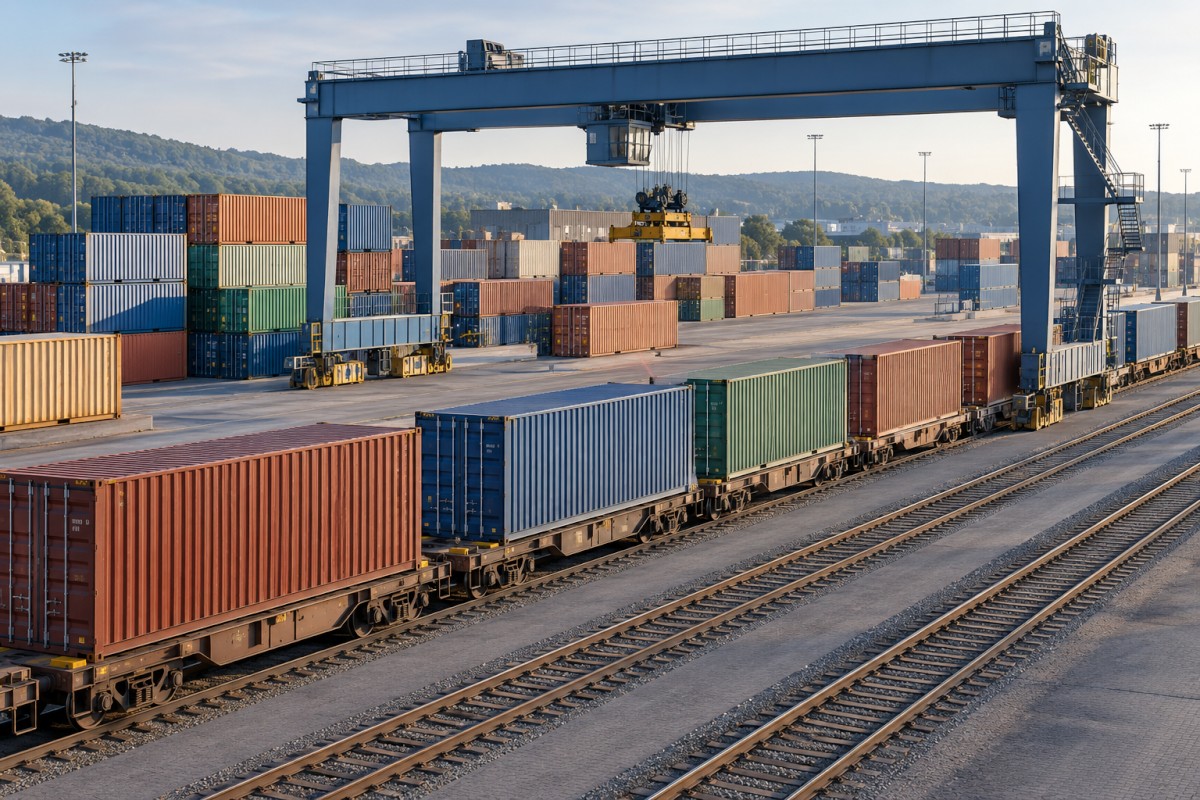
A Russian Railways proposal for container transfer with China raises a capacity question: when does an unloaded wagon become available for the next useful movement?
Read the story ↗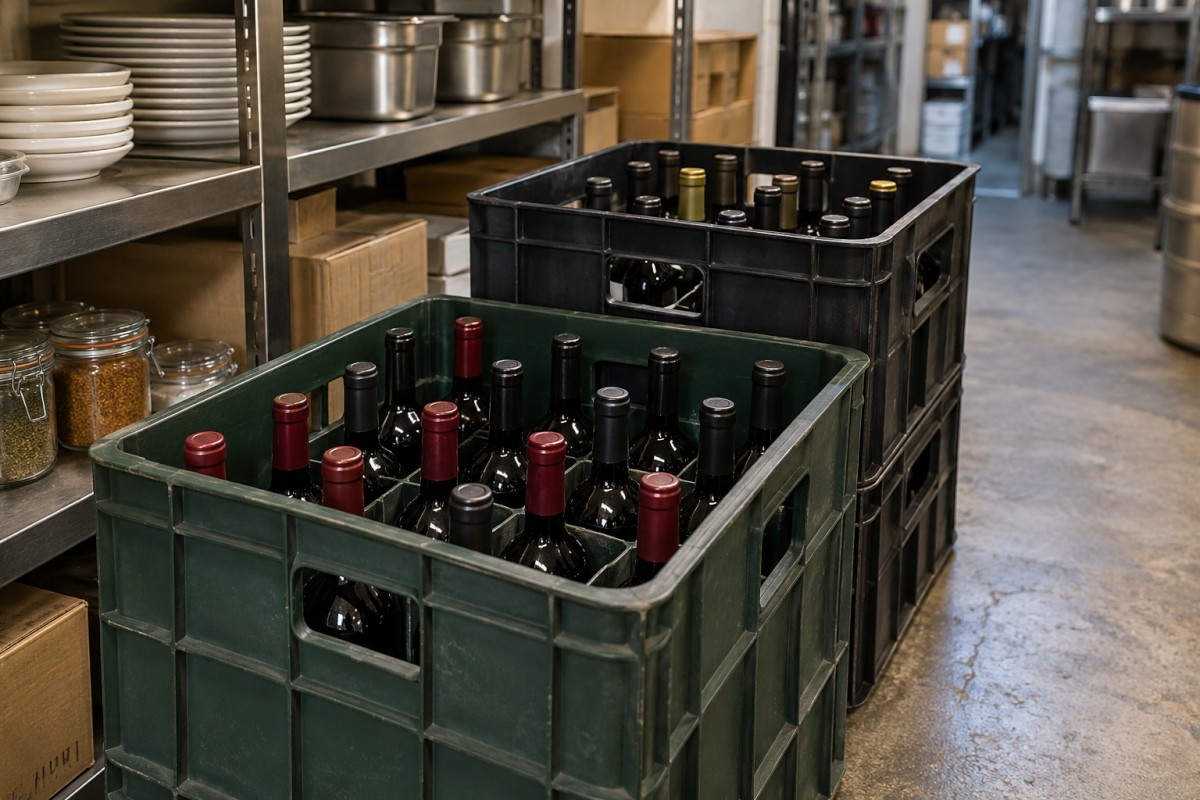
Fanagoria reported a delivery to a restaurant chain in Mongolia. An original channel-ledger example distinguishes initial supply, remaining stock and later replenishment.
Read the story ↗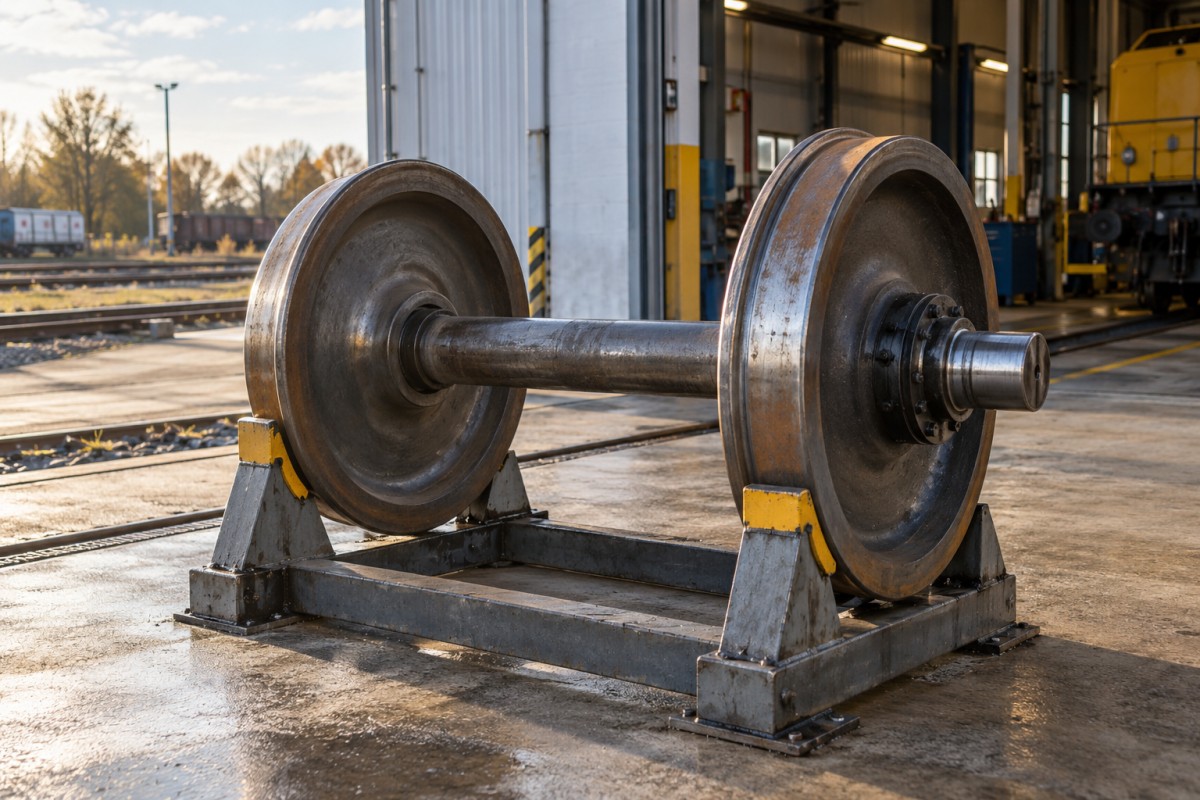
The planned Artem logistics hub includes a rolling-stock repair depot. Its practical question is how to distinguish a shorter repair detour from a faster complete wagon cycle.
Read the story ↗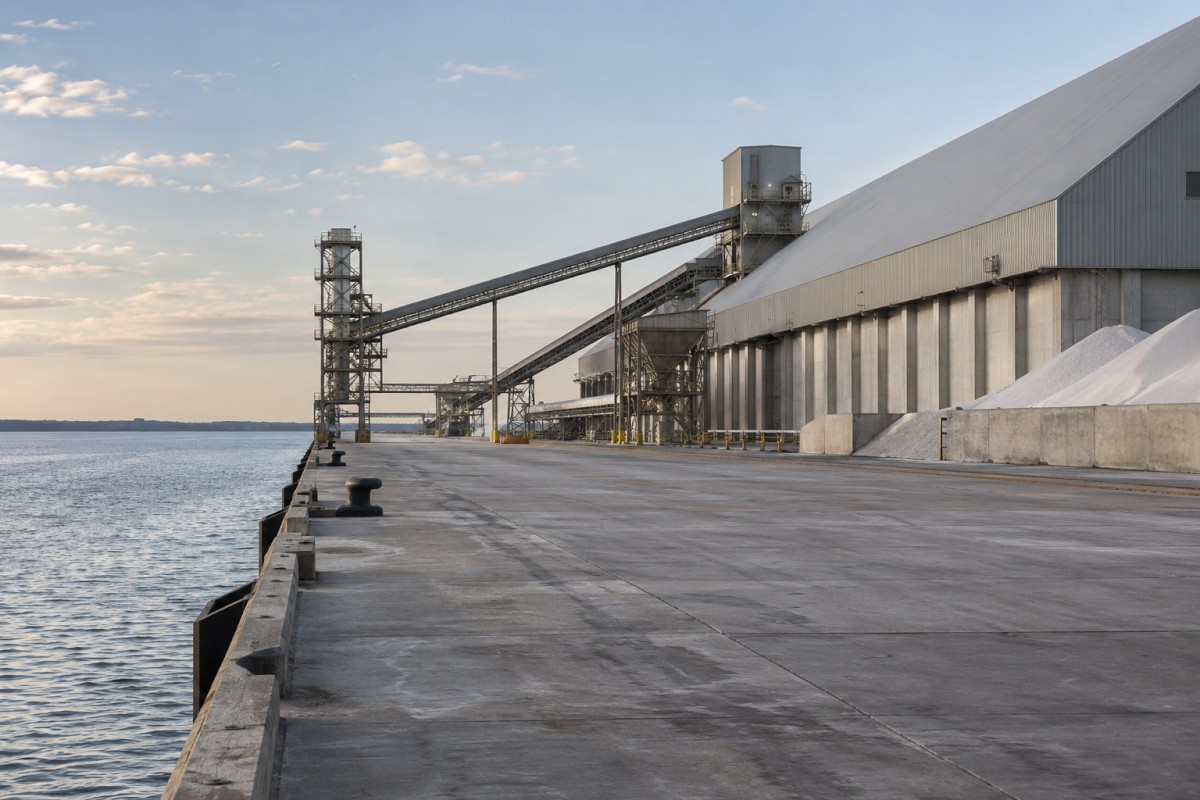
A planned berth specification opens a spatial-accounting question: total free length and the largest continuous free segment describe different allocation possibilities.
Read the story ↗
Malaysia reports RM867 million in MSME e-commerce export sales for 2021–2024, alongside capability-building efforts involving approximately 300,000 enterprises.
Read the story ↗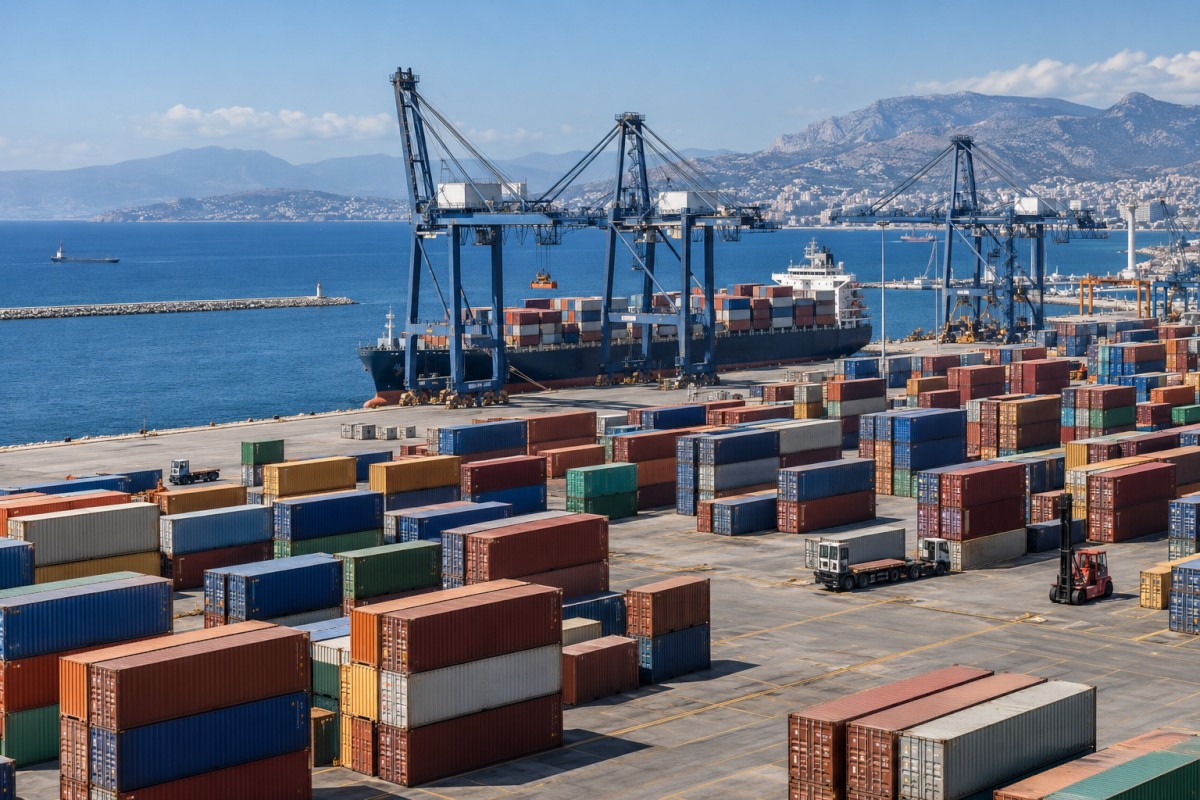
Türkiye’s October trade deficit fell to $5.9 billion; ten-month exports reached $216.2 billion. The official bulletin details energy, gold and industrial goods.
Read the story ↗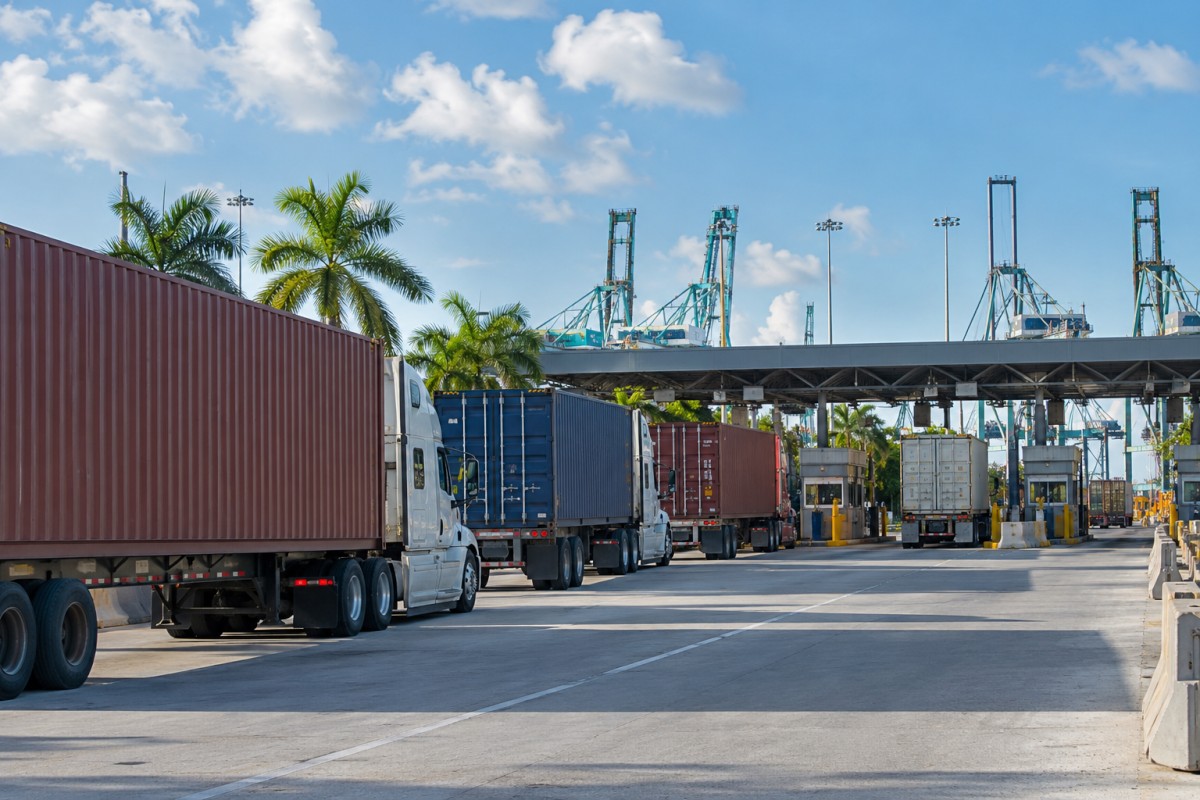
Pelindo limits container entry and exit at Tanjung Priok following congestion. The temporary restrictions remain until traffic normalises, with no set end date.
Read the story ↗
Russian ports handled 71.6 million tonnes in January 2025, down 1.6%. Dry cargo rose while liquid cargo fell; both Baltic and Far Eastern ports recorded growth.
Read the story ↗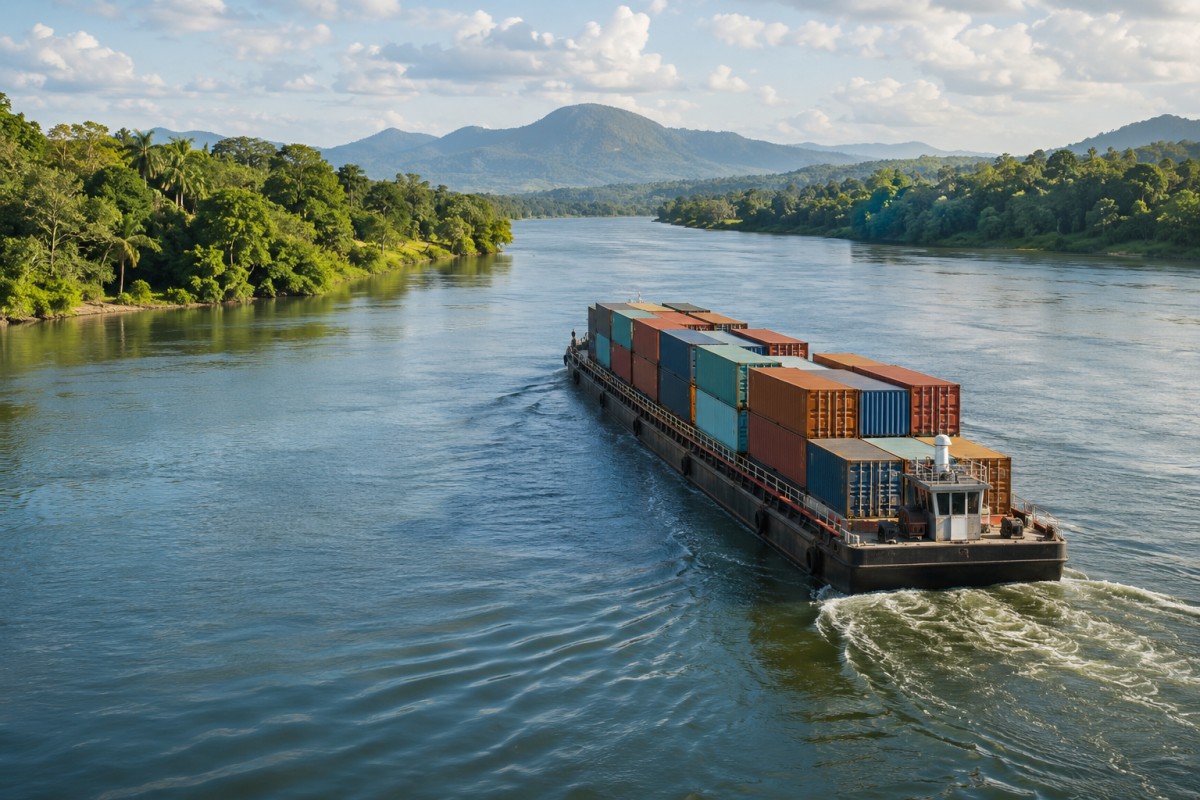
FESCO launched shipments from Cambodia via Vietnam to Russia. Phnom Penh–Vladivostok transit averages 12 days; the first delivery to Moscow took 32 days in all.
Read the story ↗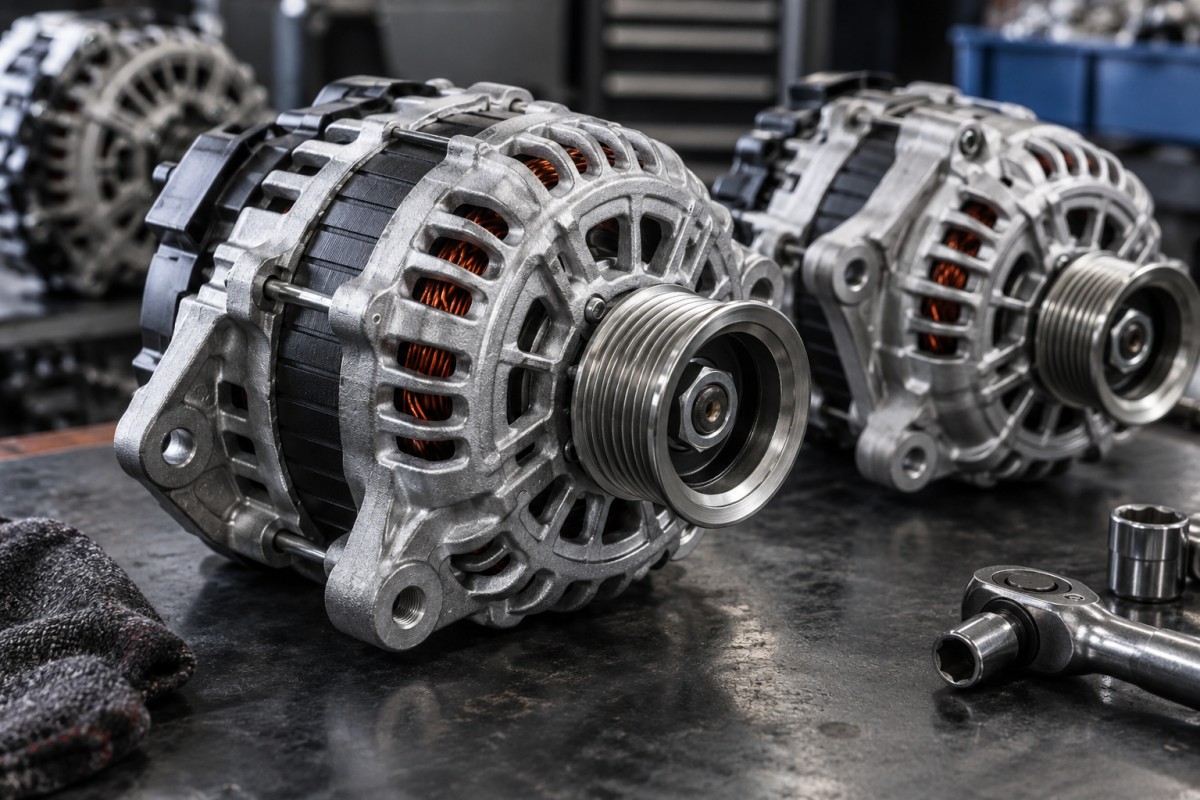
Avtopribor began alternator production for six Haval models in Tolyatti. Annual supplies are targeted at 150,000 units; overall capacity is up to 700,000 units.
Read the story ↗
Avtotor started serial Haval H9 production in Kaliningrad based on welded and painted bodies. Additional operations and deeper localisation remain future plans.
Read the story ↗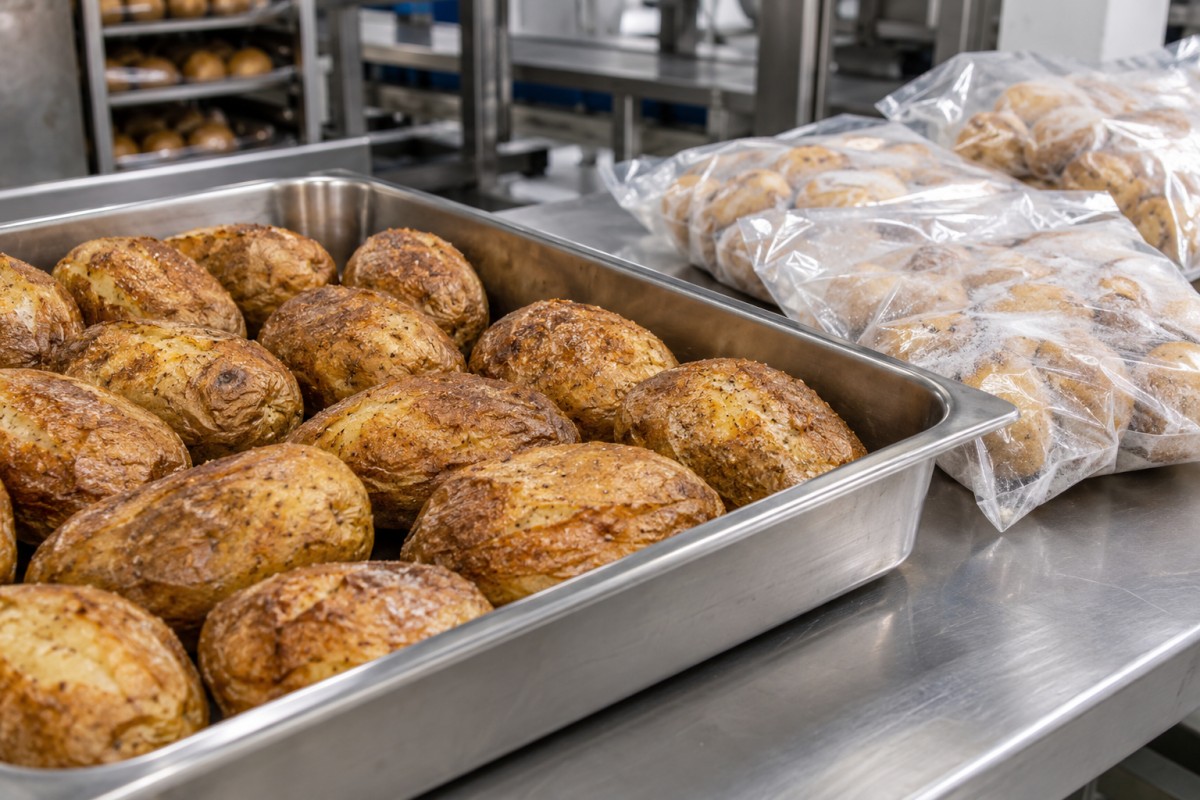
Mart Frozen Foods opened a $65 million plant in Rupert, Idaho, producing frozen baked potatoes under the OH!Tatoes brand. Mart has announced 80 fresh positions.
Read the story ↗
FESCO announced a direct Vladivostok–Shanghai service. That first departure was reported for December 7, while the December 10 arrival was still an expectation.
Read the story ↗
GS Group supplied locally made boxes to 21 Kaliningrad post offices. The firm’s Gusev factory plans to build 140,000 packages for Russian Post by year-end 2024.
Read the story ↗
MGKL has launched Resale Market with a buyout model and bulk purchases for small businesses. Direct seller listings and synchronised sales channels are planned.
Read the story ↗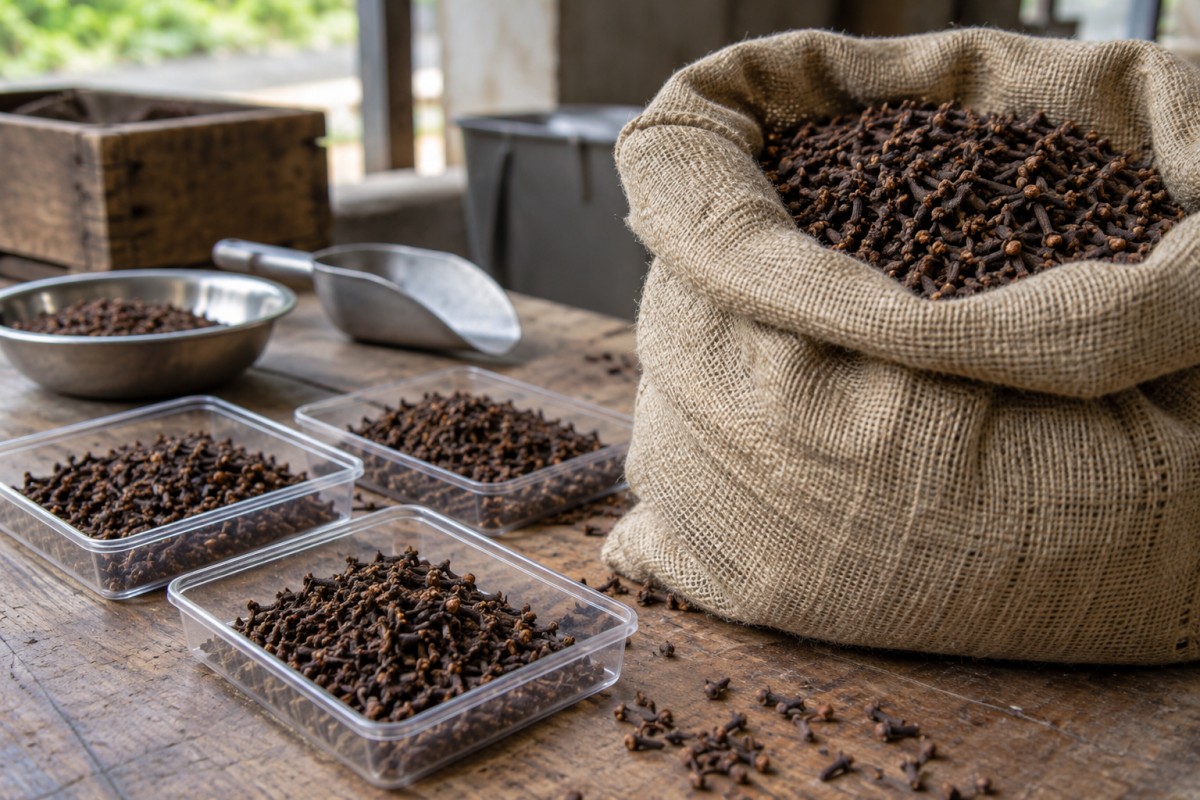
Barantin opened export clinic in Palu covering quarantine, certification and market requirements. Cocoa, cloves, fisheries and swallow’s nests are key products.
Read the story ↗
Sustio opens its second Batu Kawan facility after an RM326 million expansion, while subsequent buildings remain part of the growth plan.
Read the story ↗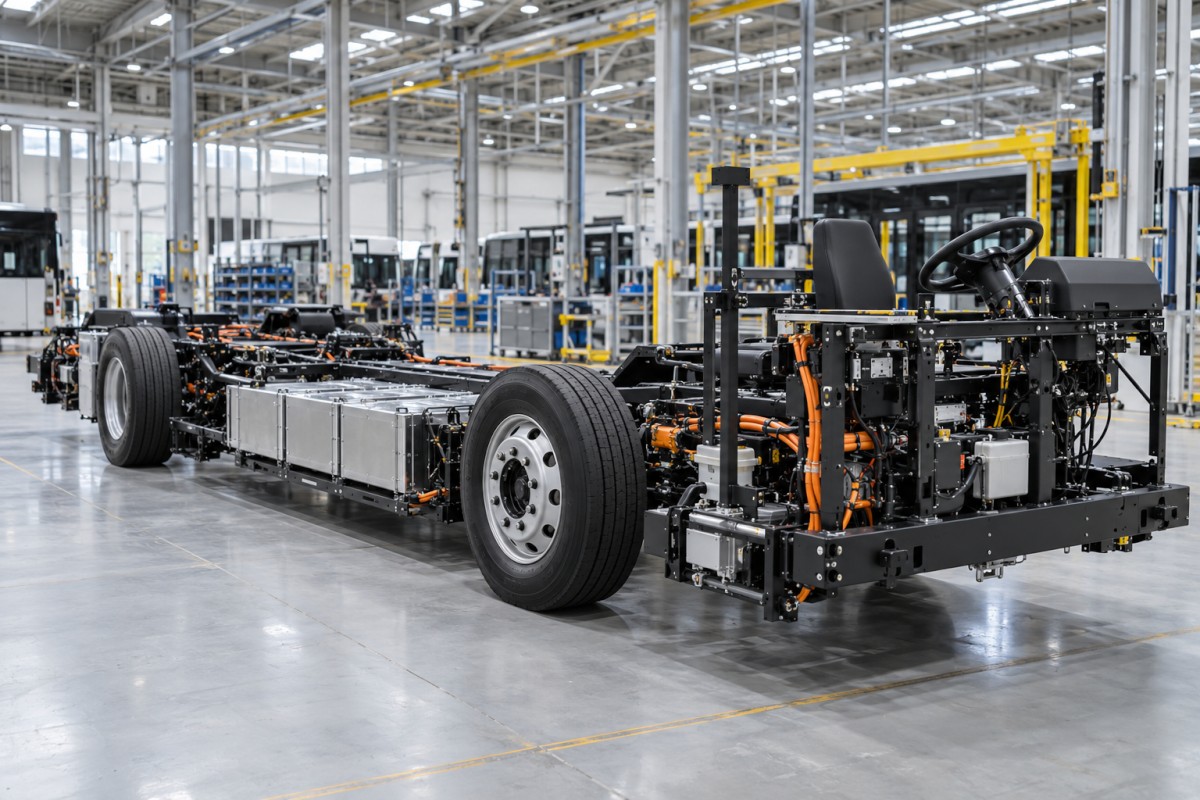
VKTR’s Magelang opening accompanies stated local-content targets, with commercial supply terms still requiring a separate enquiry.
Read the story ↗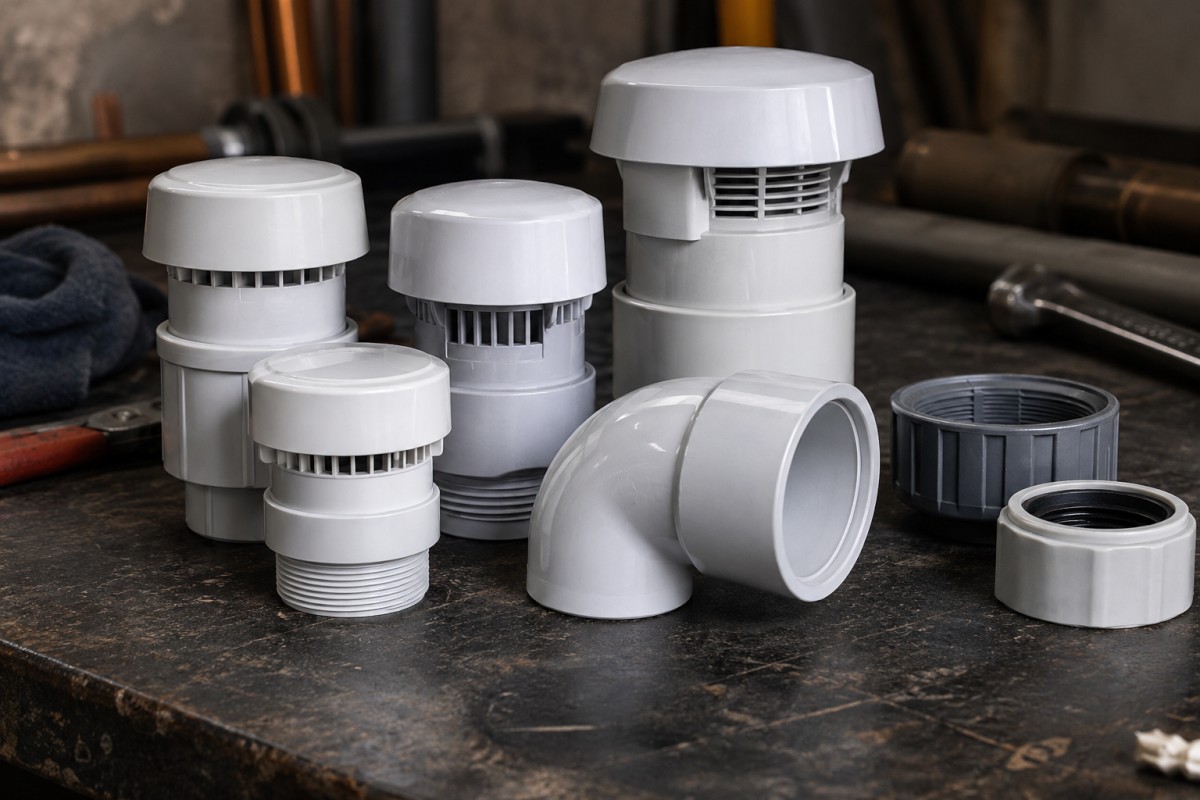
Oatey announced on 5 March 2024 that an affiliate had acquired Stockholm-based valve manufacturer Aktiebolaget Durgo.
Read the story ↗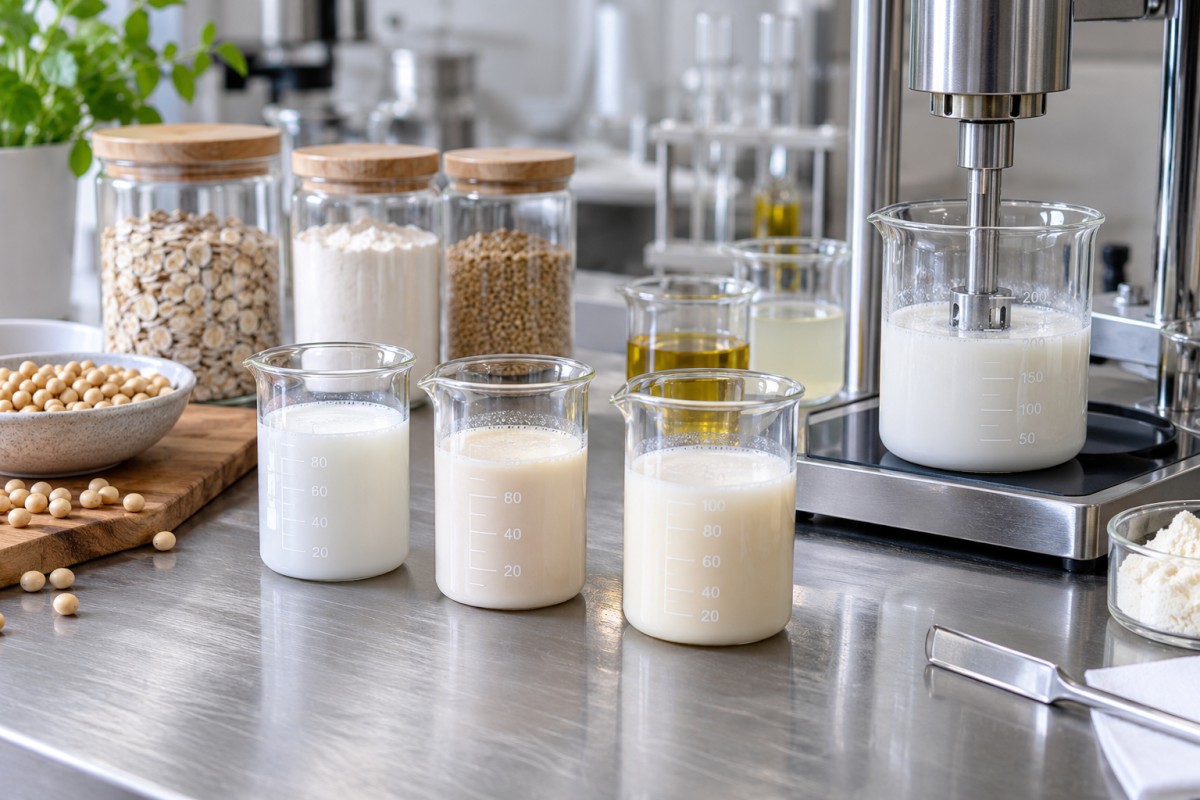
Efko has begun a RUB2.6 billion ingredient-production investment project at its Yevdakovo plant in Kamenka, Voronezh Region, Interfax English reported on 4 August 2025.
Read the story ↗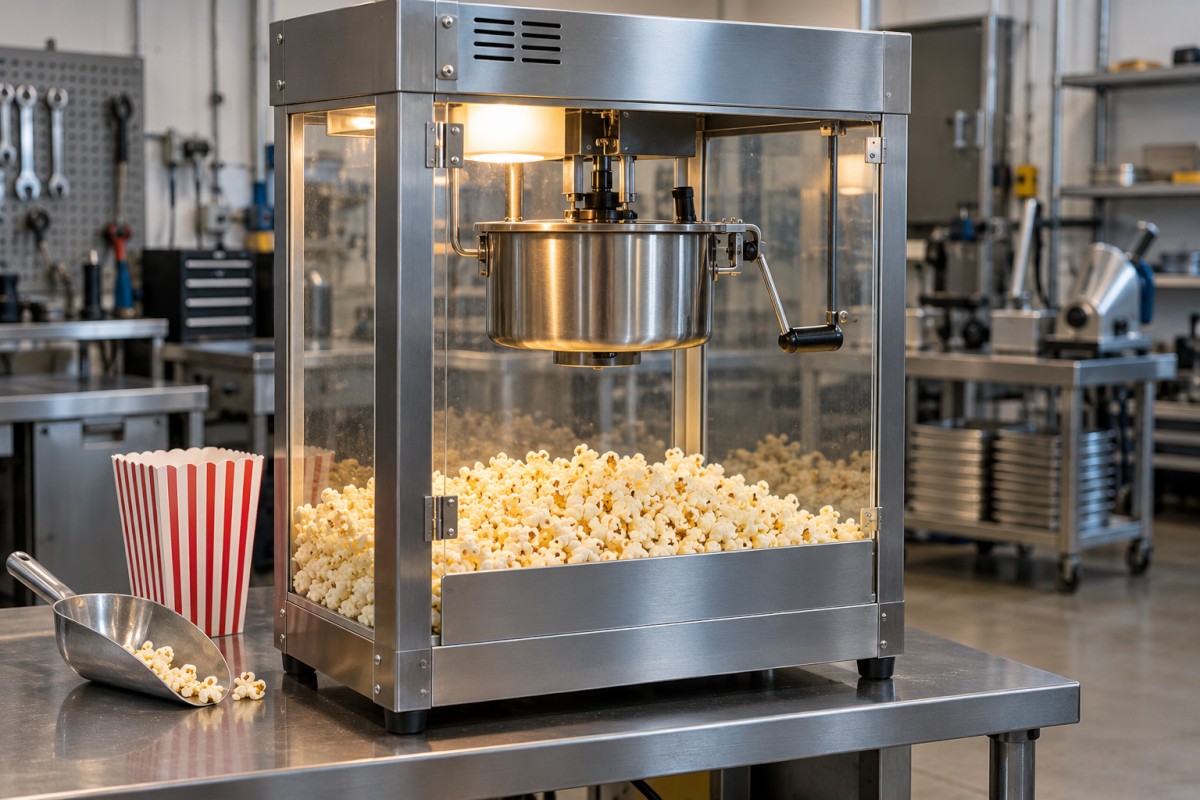
RoboLabs opened a food-equipment factory in Tver after investing RUB500 million, Interfax reported on 21 November 2024, citing the regional government.
Read the story ↗
Polyplast launched the first phase of a high-molecular-weight, thermally stable polymer complex at its Novomoskovsk plant in the Tula region.
Read the story ↗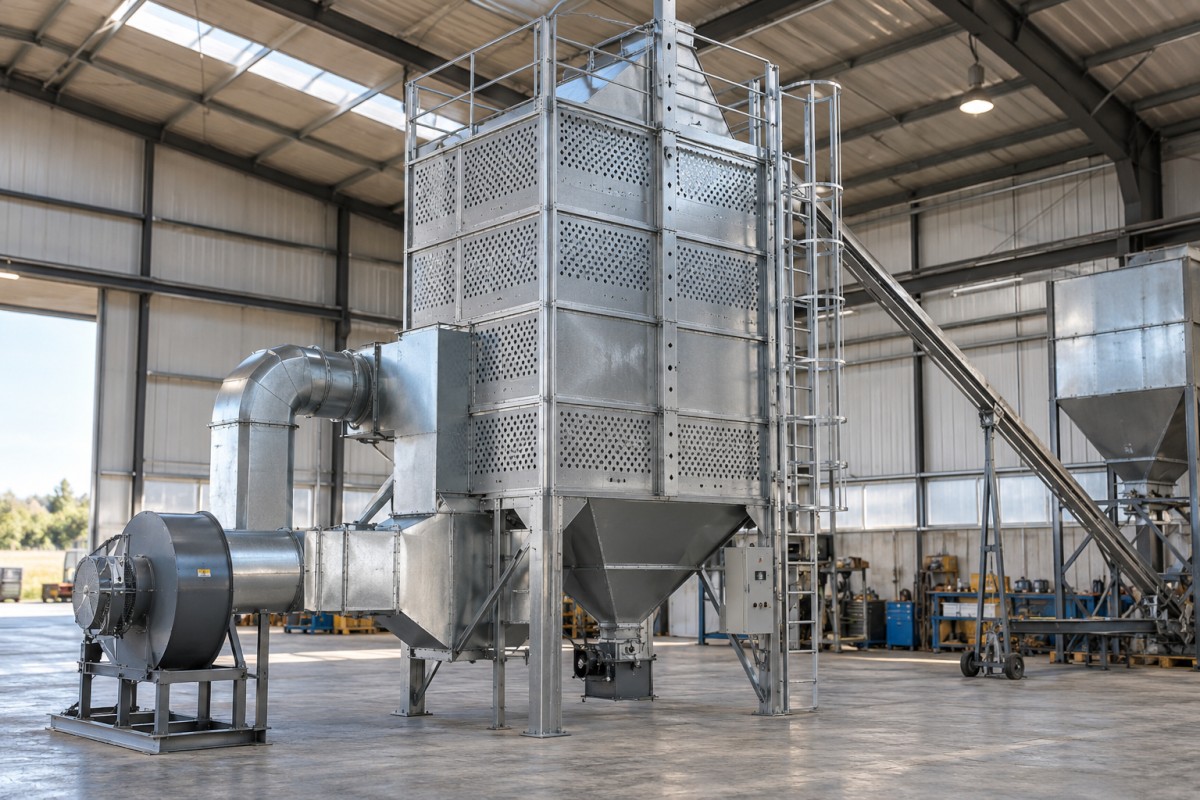
Koblik Group has produced its first grain dryer at the former John Deere site in the Orenburg region.
Read the story ↗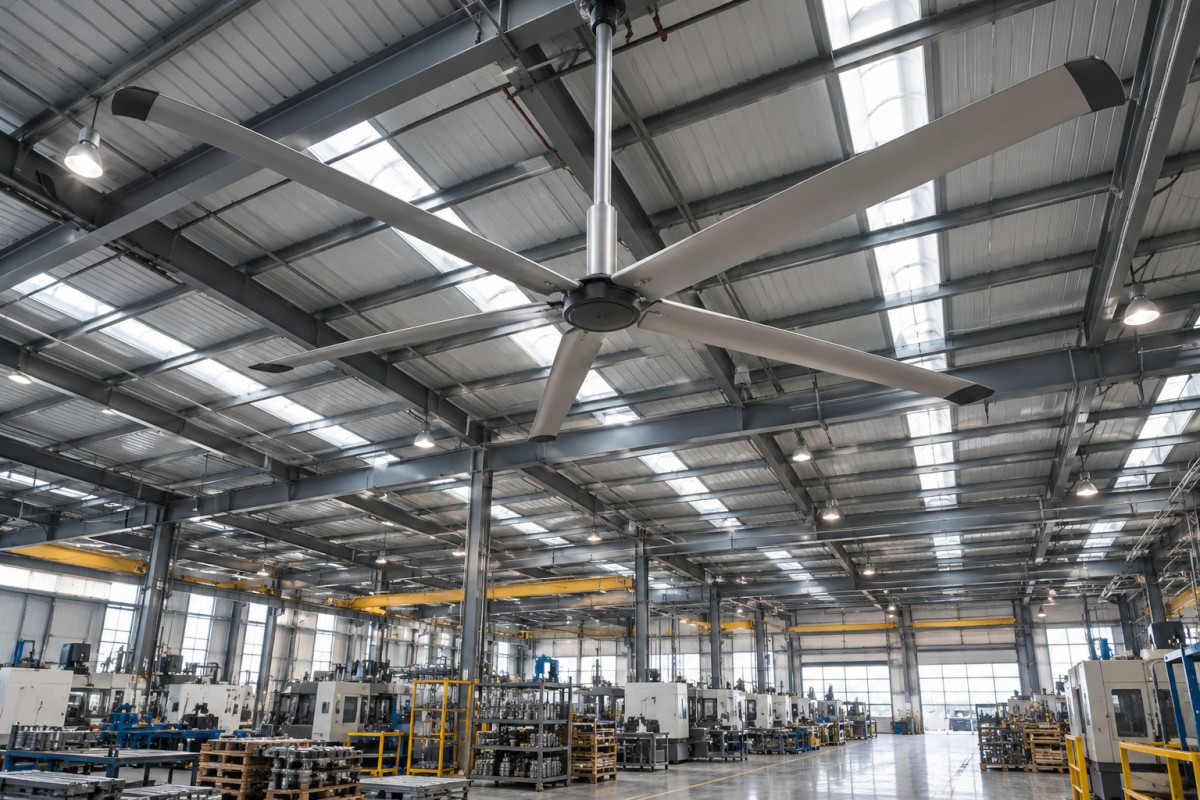
Big Ass Fans opened a 210,000-square-foot manufacturing site in Fort Worth, Texas, Manufacturing Dive reported on 10 September 2024.
Read the story ↗
Niacet Specialty Chemicals planned a $50 million expansion in Niagara Falls, New York, to supply semiconductor manufacturing, Manufacturing Dive reported on 31 May 2024.
Read the story ↗
Ozon opened sales for customers in Georgia on 10 September 2024, according to Interfax’s report citing the company.
Read the story ↗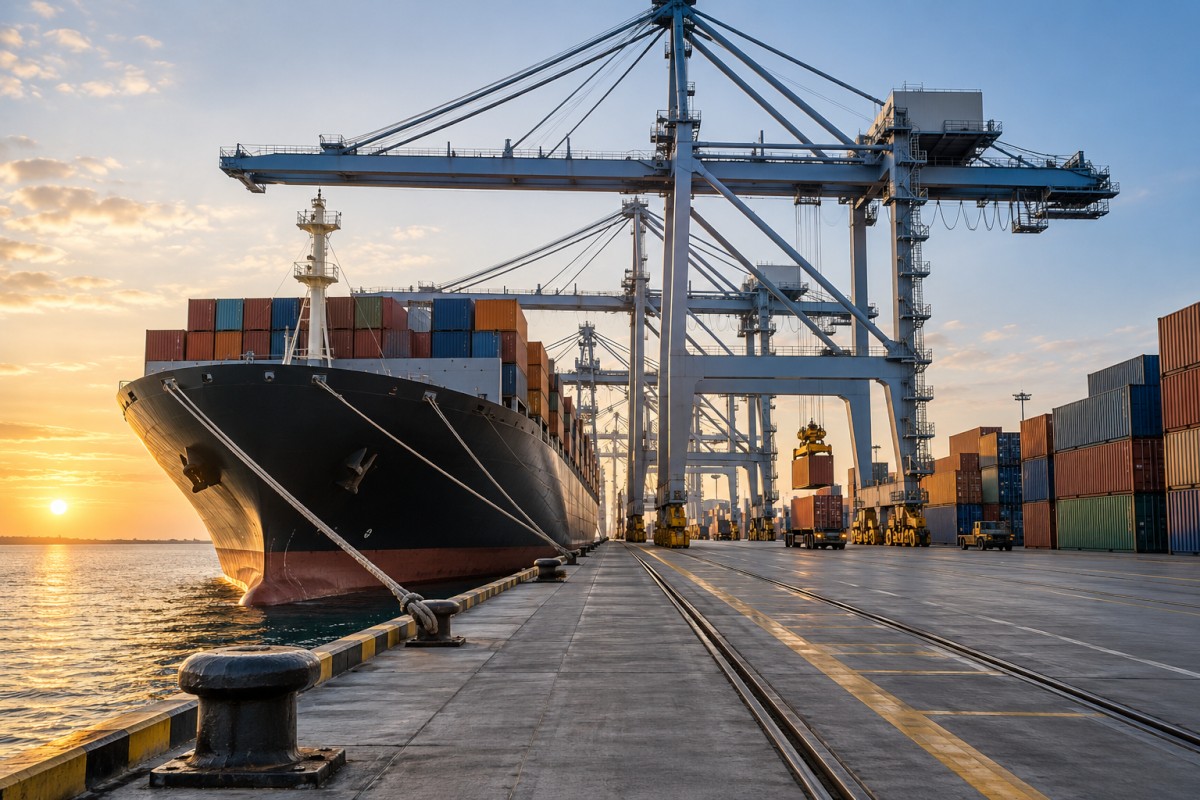
FESCO launched container transportation between Russia and Durban, South Africa, on 20 June 2025.
Read the story ↗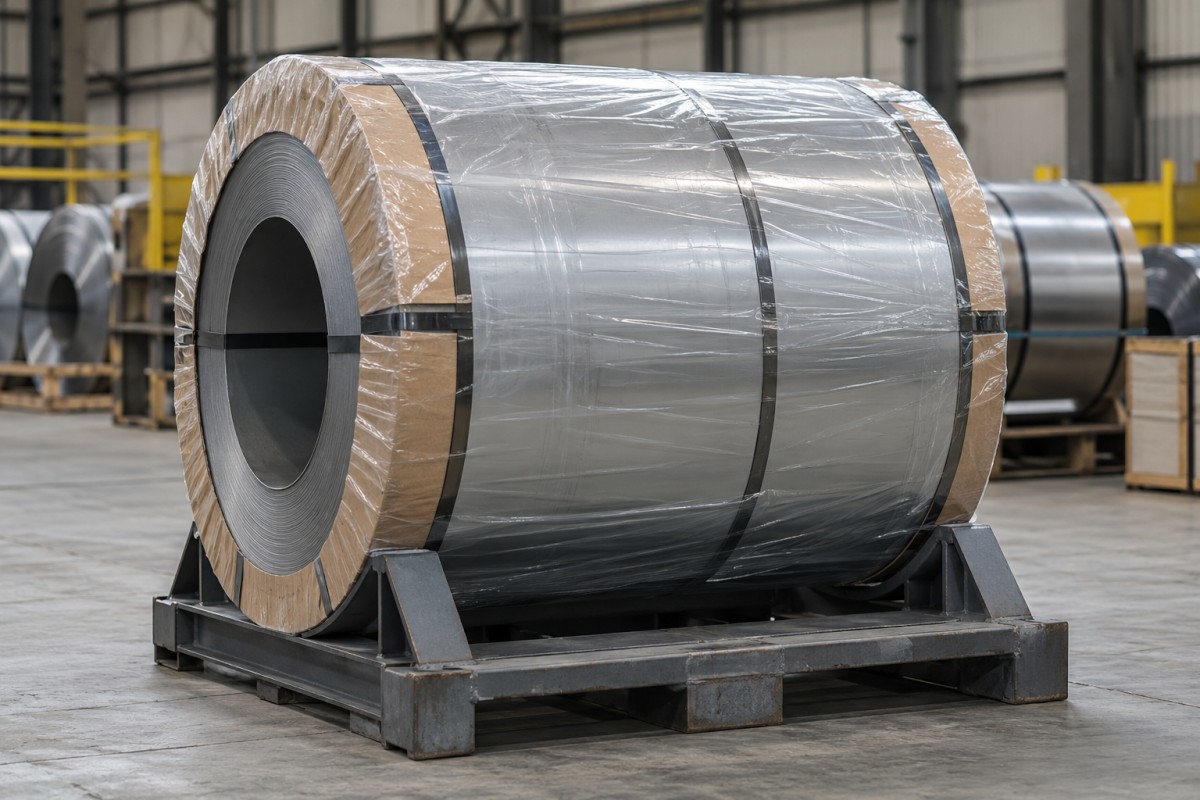
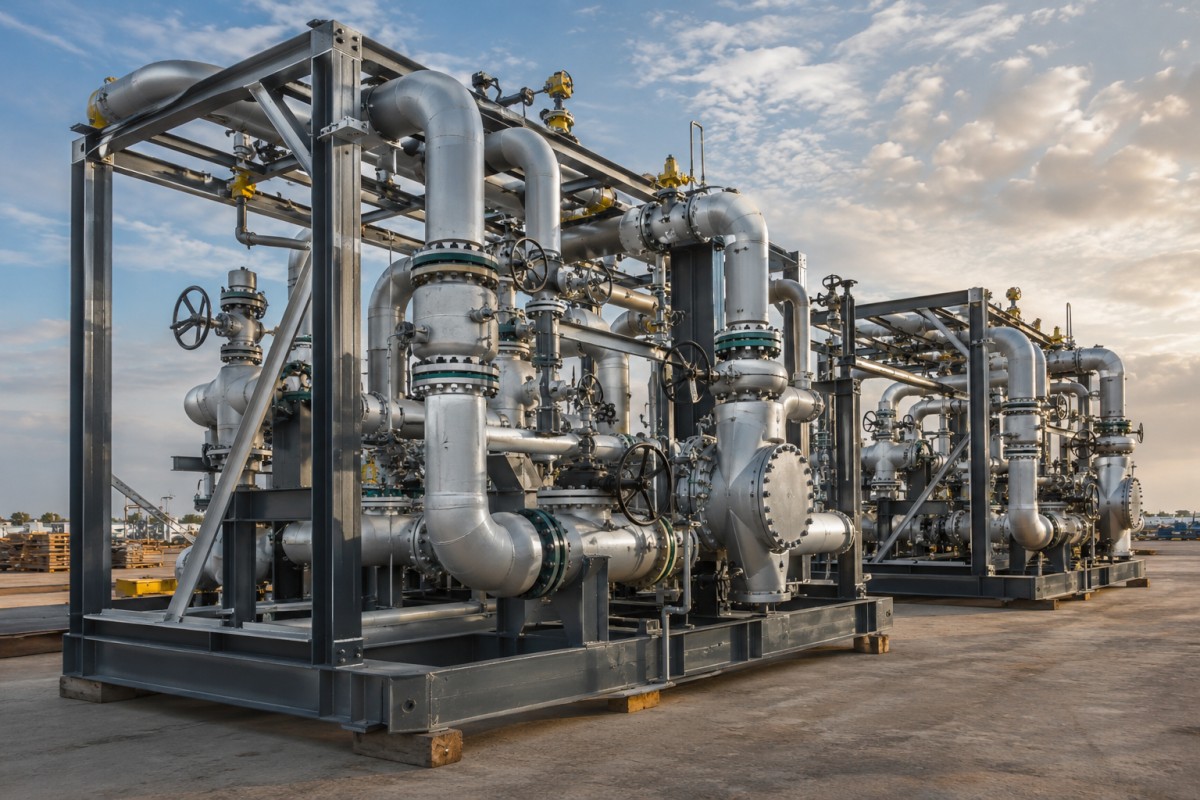
Lamiflex selected Borden Business Park in Indiana for its first manufacturing facility in the United States, according to Manufacturing Dive’s 12 September 2025 project roundup.
Read the story ↗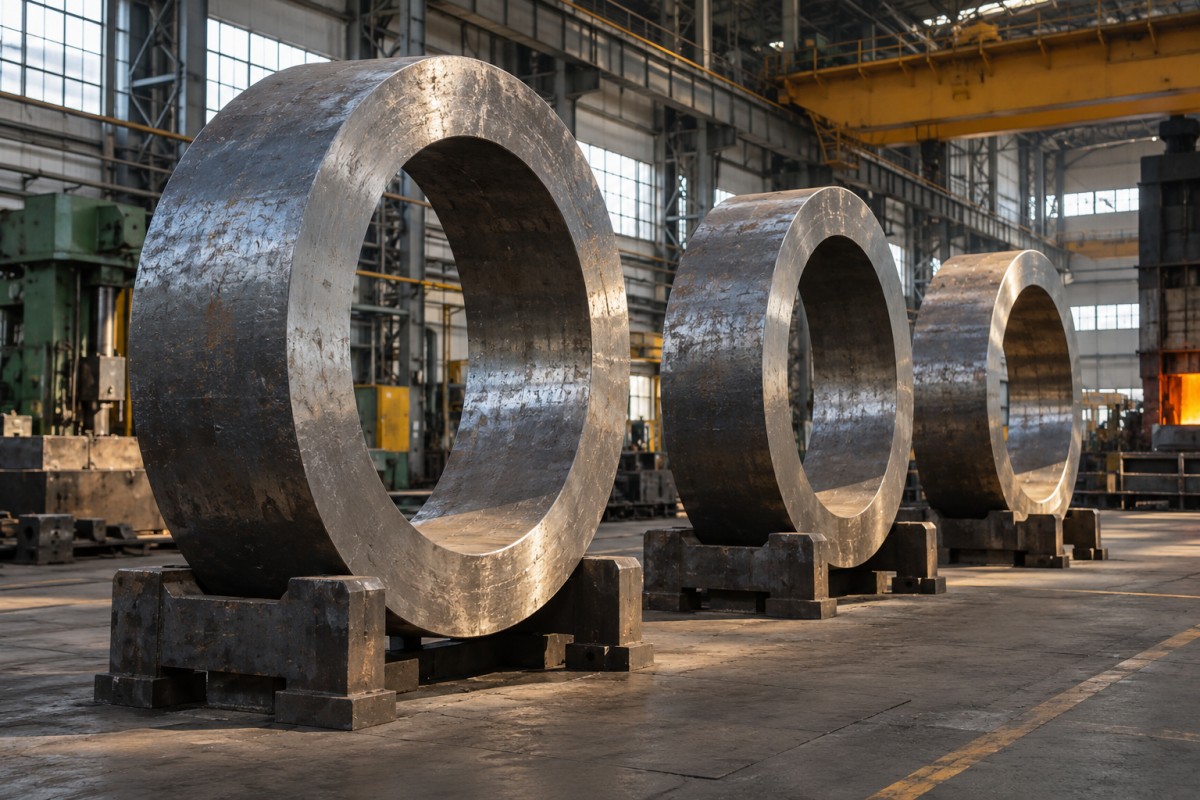
US Forged Rings plans a specialty-steel plant in Hertford County.
Read the story ↗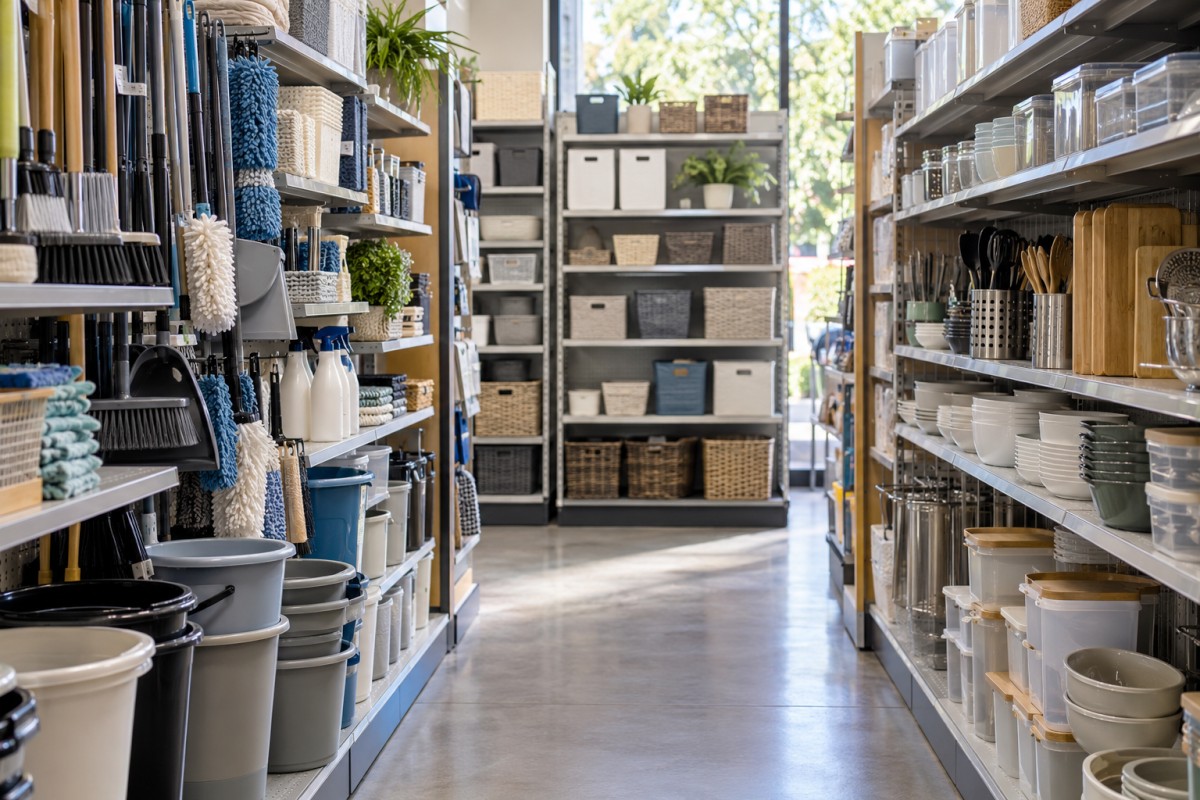
Fix Price Group started trading in Belgrade and Novi Sad, Serbia, with five stores, Interfax reported on 17 August 2026.
Read the story ↗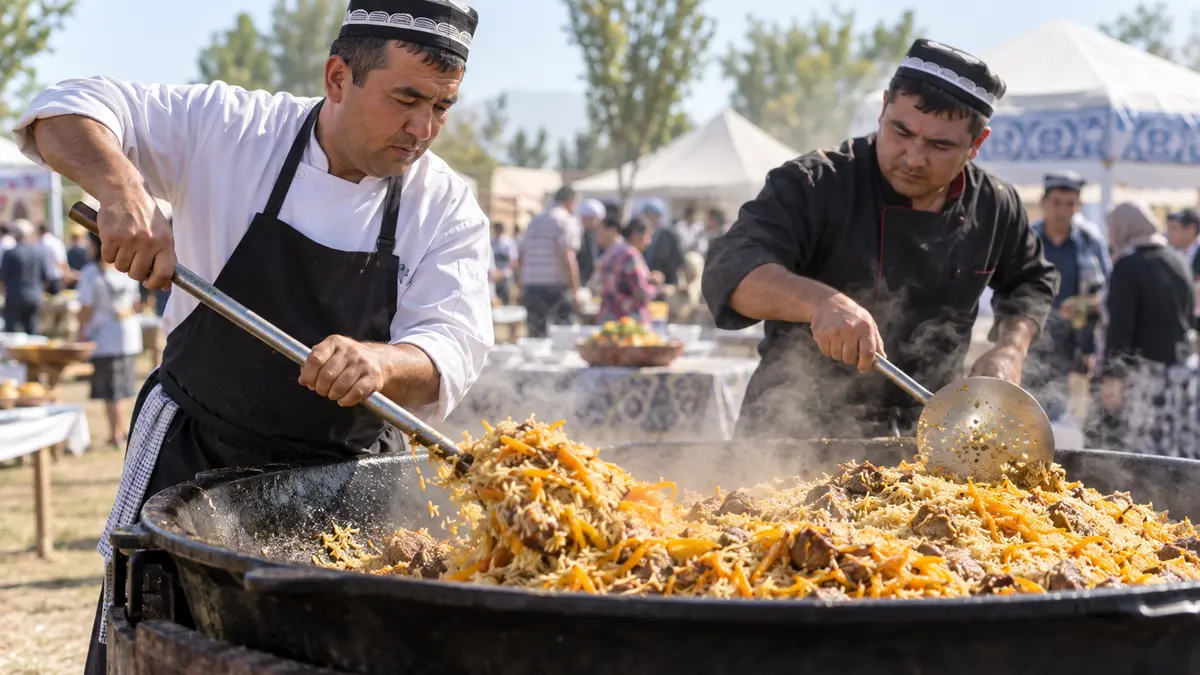




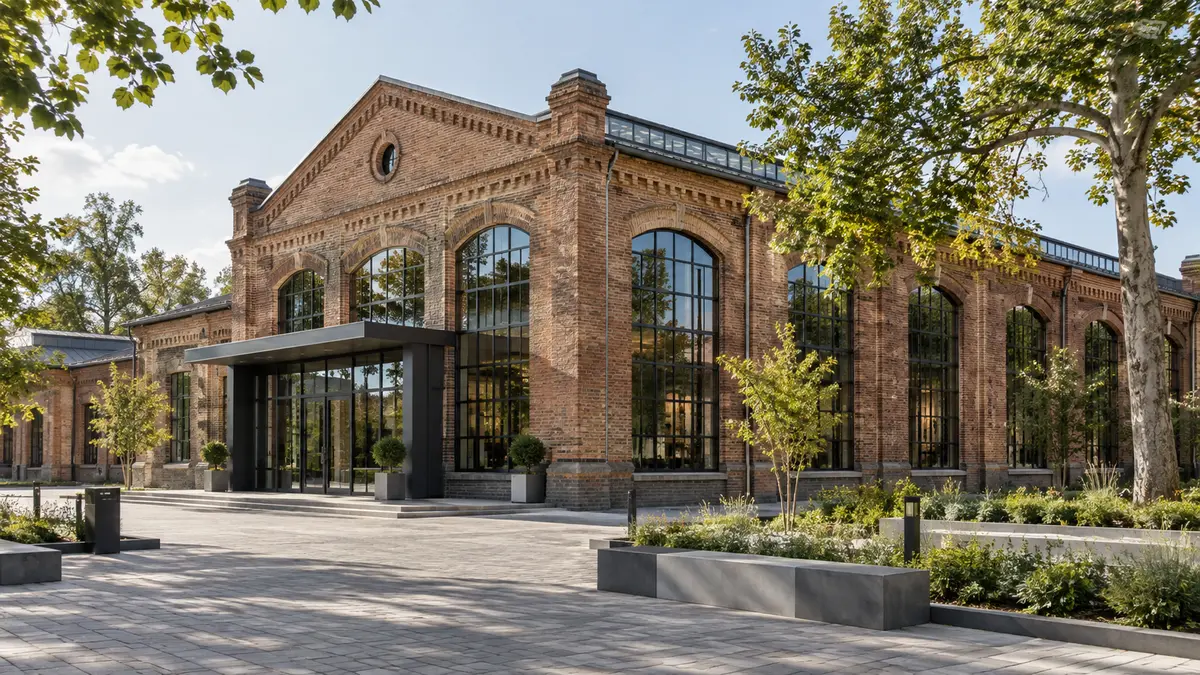 Tashkent’s Museums, Mahallas and New Cultural Spaces
 Nilu and Sangardak: Village Tourism in Surkhandarya
 Uzbekistan’s Western Rail Corridor and the Journey to Khiva
 Ancient Fortresses and Museums of Western Uzbekistan
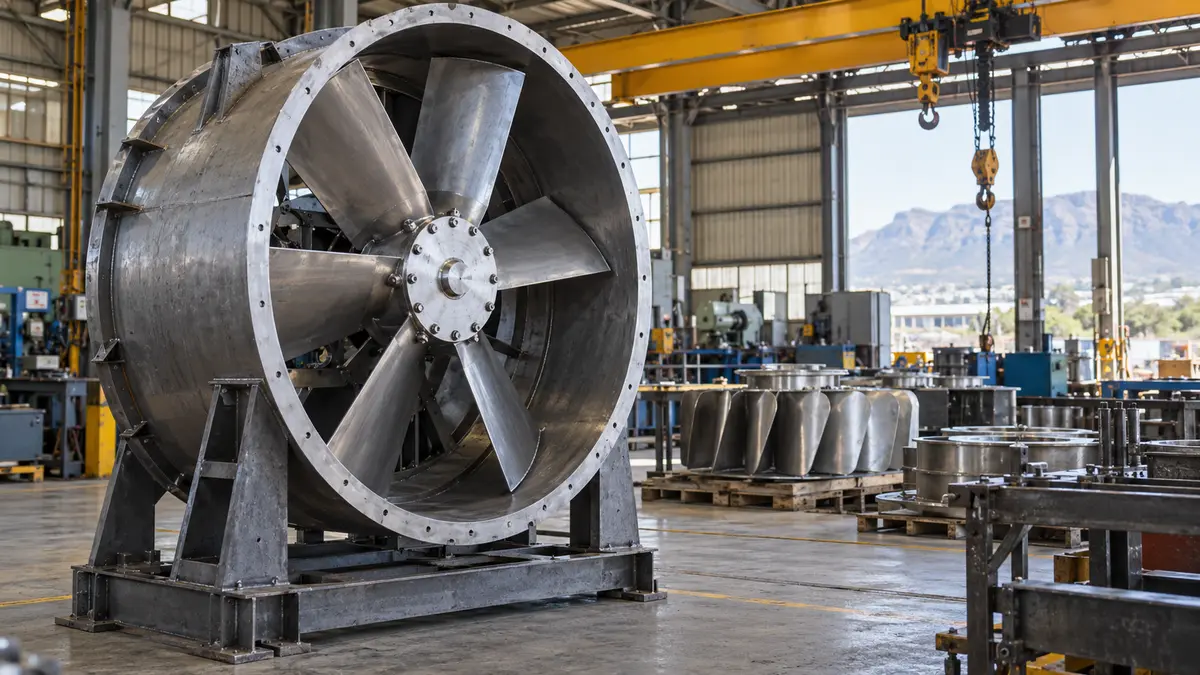 LH Marthinusen opens R32 million Germiston fan factoryUzbek Food and Cultural Traditions: From London’s Festival to Regional Tables
 Ageas agrees Esure acquisition to widen UK insurance distribution
 Bukhara’s Biennale: Contemporary Art in Historic Spaces
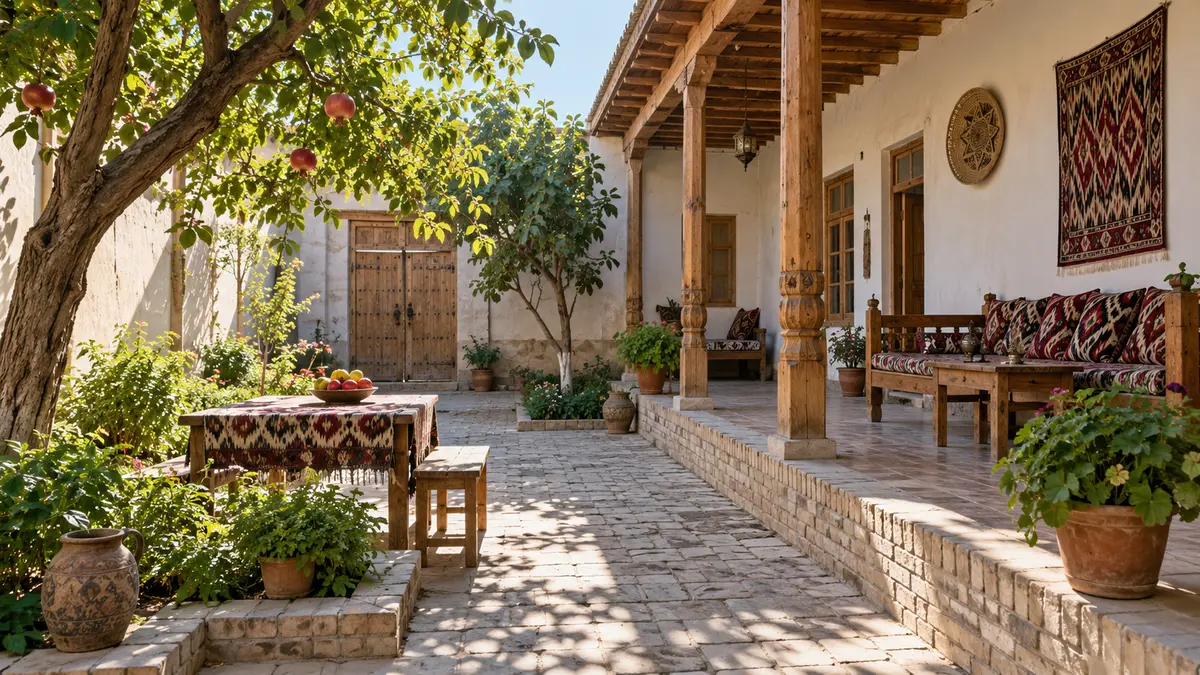 One Day in Kasri Orifon: Bukhara’s Pilgrimage Village
 Rishtan’s Craft Neighbourhood and the Fergana Valley
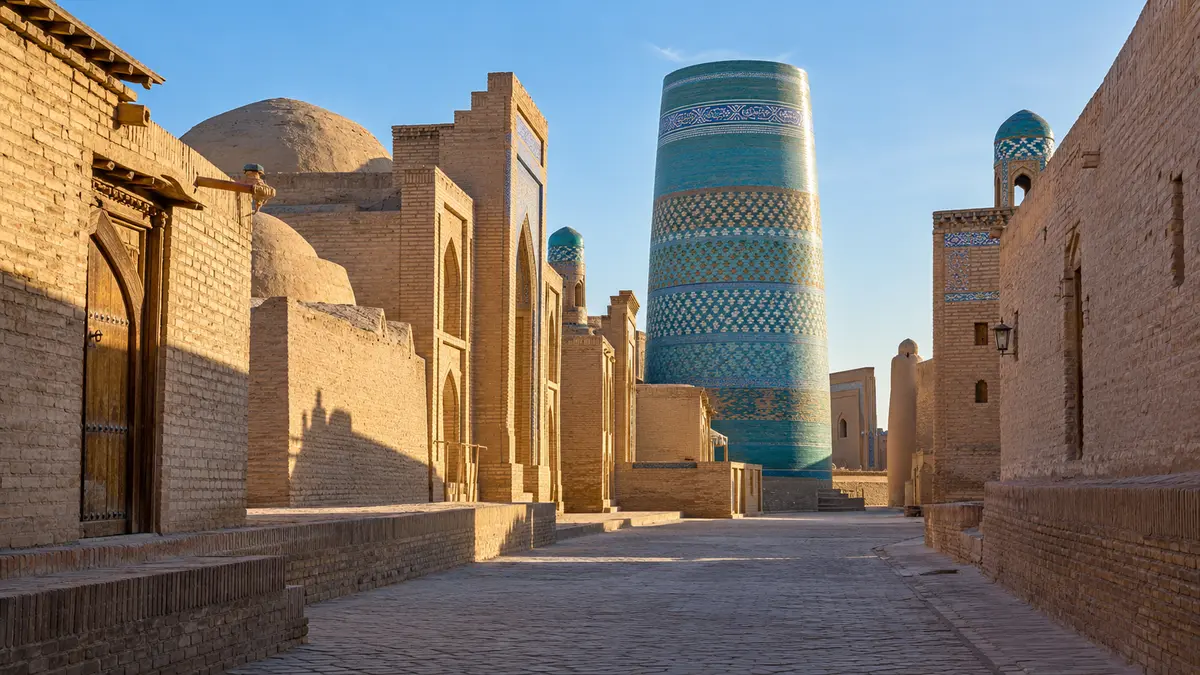 Khiva’s Walled City: Architecture, Palaces and Living Traditions
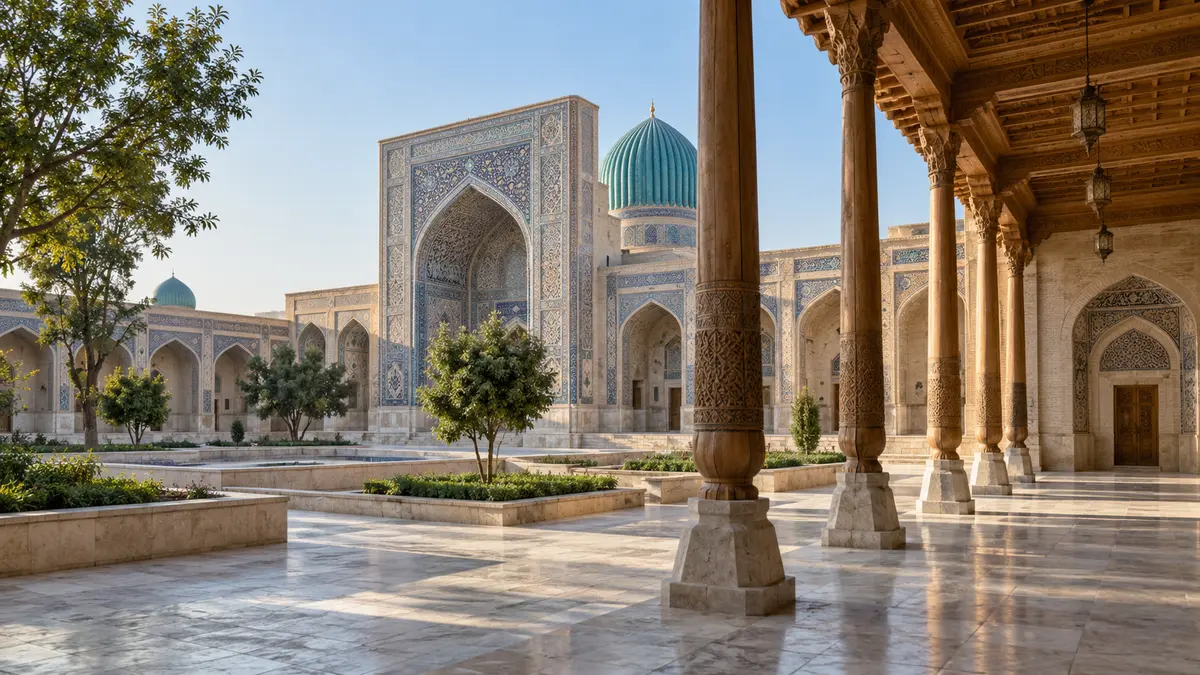 Imam al-Bukhari’s Heritage and Samarkand’s Pilgrimage Landscape
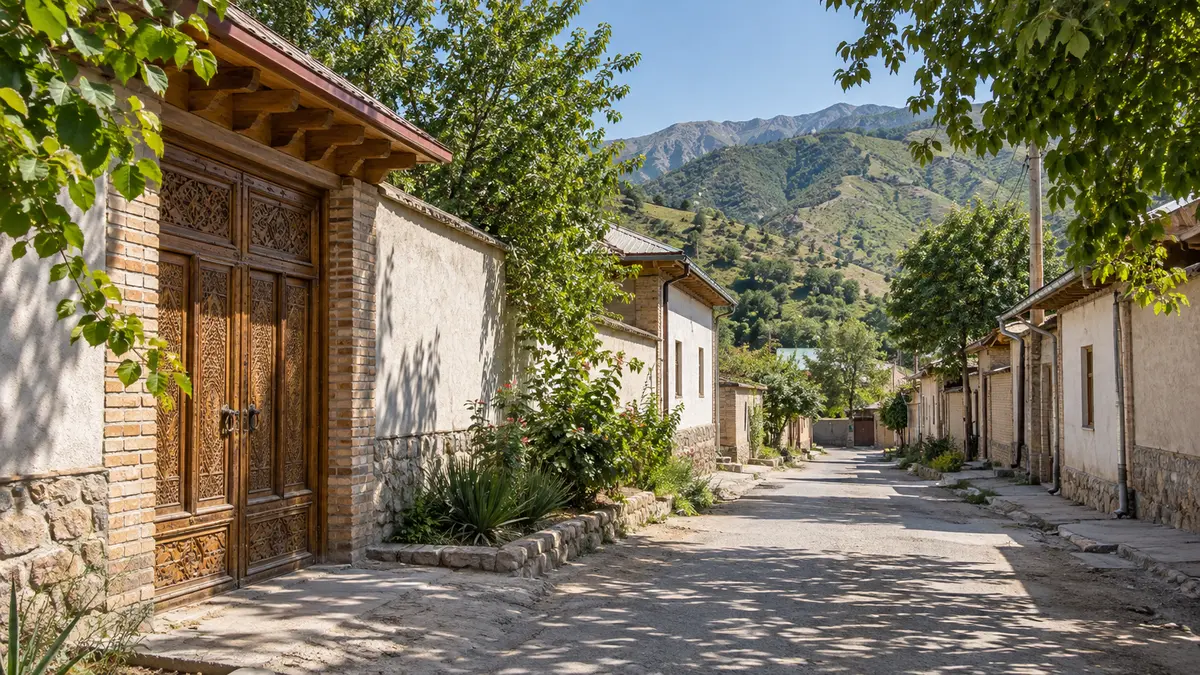 Parkent’s Chashma Village: Folk Traditions Near Tashkent
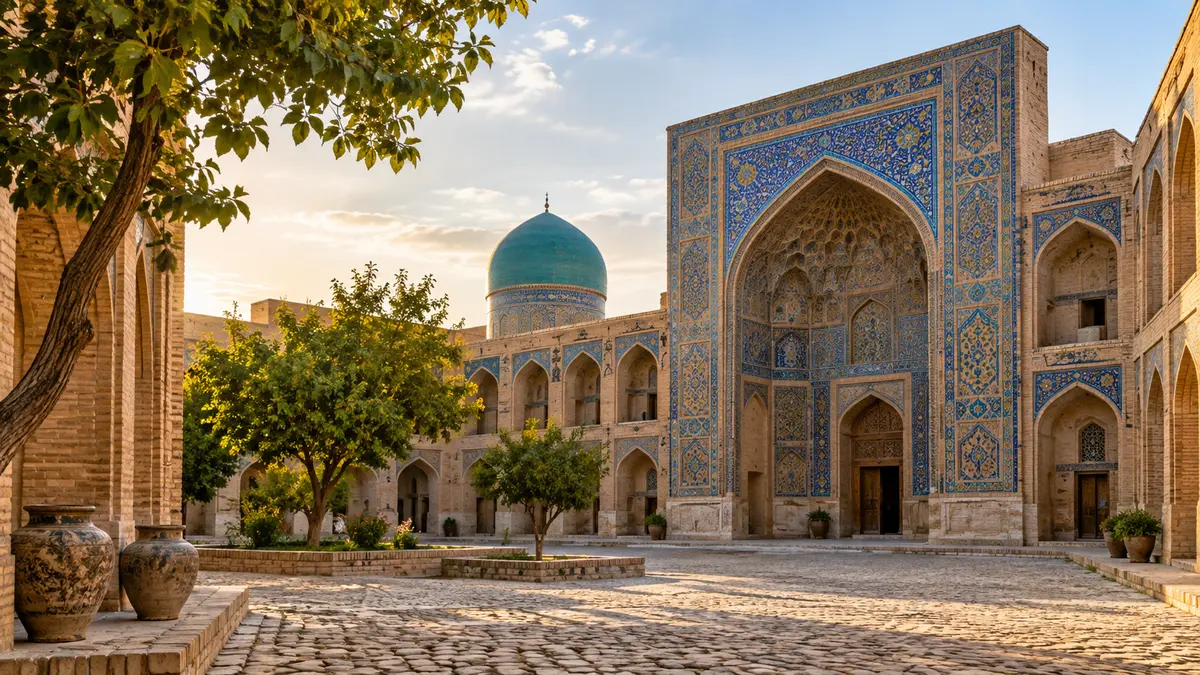 Uzbekistan's Tourism Expansion: Heritage Cities, Living Crafts and Regional Routes